Showing posts with label Jodi Grant. Show all posts

Tuesday, July 19, 2022

A Shout Out to PCY Founder, Jennifer Peck


By Sam Piha

“After 21 years of incredible service, Jennifer Peck, Partnership for Children & Youth (PCY) founding CEO, will step down from her leadership role in the organization on June 30th. Jennifer will assume the role of Senior Advisor during the transition to support the organization and its new leadership.” 
- Partnership for Children & Youth

I've had the pleasure of working with Jennifer on promoting access to quality afterschool programs for over 20 years. She has partnered with Temescal Associates on several projects throughout the years and has proved to be an incredible leader and innovator. I interviewed Jennifer recently about her career and accomplishments and we will share her responses in a future blog post. Below we hear from afterschool leaders who share their thoughts on Jennifer's impact on the field of afterschool. 


Michael Funk
The creation of a new Division at CDE in 2011 can be entirely credited to Jennifer. The After School Division was created then under the newly elected SSPI Tom Torlakson and Jennifer co-led his Transition Team. I would have never considered serving as the Director of this new division if Jennifer had not twisted both of my arms off to do so! (Thank you, Jennifer.) I have now been in this position for over 10 years and Jennifer (and countless others, have been with me for every step of this amazing journey.) California's communities, schools, families and students owe an incalculable debt of gratitude to Jennifer Peck. Her vision, leadership and tenacity are "hall-of-fame" caliber.” – Michael Funk, Director, Expanded Learning Division, California Department of Education

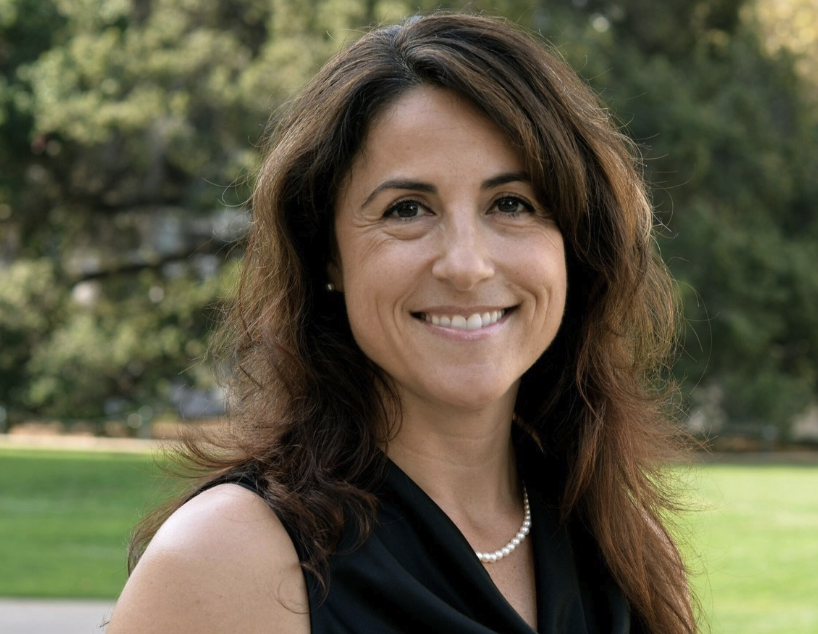
Jodi Grant
“Jennifer Peck did remarkable work to create, build and strengthen the federal 21st Century Community Learning Centers initiative, which is today a major success that has improved the lives of millions of children and families. After leaving Washington, D.C., Jennifer remained a passionate advocate, working at the local, state and national levels to create after school and summer learning opportunities for students across the country. She had a powerful, holistic vision for out-of-school-time programs that engaged not only with schools, but also with local community organizations. It was a privilege to work with Jennifer for almost two decades. The entire afterschool community will miss her, and her legacy will carry on.” - Jodi Grant, Executive Director, Afterschool Alliance

Eric Gurna
“Jennifer is an amazing leader for our field, and an inspiring colleague for so many of us. I learn so much from working with her. I don't think it is an exaggeration to say that without Jennifer's leadership and vision, the field of expanded learning in California would not have the depth, quality and scale that we see today - that means that she has had a profound impact on so, so many children and families and an entire workforce. And she made that long-term impact with a joyful spirit and great humor! Jennifer you will forever have our gratitude and appreciation.” - Eric Gurna, former Director of LA’s BEST

Margaret Brodkin
“Jennifer understood the combined importance of practice, policy and politics. She created an organization that excelled at all three, and each enhanced the other.  Her leadership particularly lifted the quality, visibility and progressive policies in youth development, summer learning, afterschool and community schools. She has been one of the most influential people in California’s children and youth arena. Her legacy is alive and well at the organization she founded.”Margaret Brodkin, Nationally recognized children’s advocate and policy pioneer

Rebecca Goldberg
“Jennifer Peck has left an indelible mark on the California education landscape. Because of her perseverance, foresight, strategy, and leadership, California continues to lead the nation in its investments in kids and serves as a model for all other states that aspire to dedicate significant, ongoing funding for expanded learning and summer learning opportunities. While she will be missed in her role at PCY, I know she will continue to advocate for kids in new and great ways. With California poised to once again realize the largest expansion of publicly funded expanded learning programs in the country, Jennifer should feel nothing but pride in all that she has done to help get the field to where it is to be ready for this type of unprecedented expansion. Thank you, Jennifer!”
– Rebecca Goldberg, Non-profit & philanthropy consultant; Board Member at Forum for Youth Investment, MENTOR California, and Playworks Northern California

Aaron Dworkin
Thank you, Jennifer, for your partnership, leadership and tireless efforts on behalf of young people, families and communities across California and the country. You set a high bar for what is possible, and our field and leaders and partner programs are all stronger for your efforts, passion and wisdom. I personally thank you for helping me grow and learn over so many years. You will be missed but your organization will continue on your legacy.” – Aaron Dworkin, CEO, National Summer Learning Association

Brian Lee
“Jennifer has been an impactful leader in the after school and summer field. With her vision and dedication, she has helped transform California into the national leader on after school and summer, through both her (and her stellar staff’s) close collaboration with California policymakers and her empowerment of voices from the field.”Brian Lee, Policy Advocate previously with Fight Crime: Invest in Kids California


"Millions of professionals and volunteers work with young people every day in the many settings where youth play, learn, and grow outside of the school day. Yet, we have little collective information about this essential workforce. You can help change this!"- California Afterschool Network

Take the survey today, click here.

Monday, January 24, 2022

Afterschool Worker Shortage: The Impacts of the COVID-19 Pandemic

Source: healthmatters.nyp.org

By Sam Piha

The issues of staff shortages, including the recruiting and retention of staff, are not new to veteran afterschool program leaders. However, these issues have been exacerbated by the COVID-19 pandemic. These and more recent COVID-related influences are summarized below. (We are currently involved in the outbreak of the Omicron variant. This blog was written as the spread of this variant increases daily.)

This is another installment in a series of LIAS Blogs to address the afterschool worker shortage. This blog is an excerpt from a larger, briefing paper entitled, Understanding the Shortage of Workers in Afterschool Programs developed by Temescal Associates. The full paper can be downloaded and read here.

Low Wages
According to Cheryn Hong, ”COVID-19 has exacerbated the long-standing issue of low wages of afterschool staff, advocates said. Most afterschool care programs have a starting salary of $9-$12 an hour. Coupled with rising concerns about the virus and now the Delta variant, many of these new challenges are changing the fundamental nature of afterschool programs.

As Alana Semuels wrote in Time, ‘…what’s really happening is more accurately described as a living-wage shortage, a hazard pay shortage, a childcare shortage, a paid sick leave shortage, and a health care shortage. Naomi Ishisaka, Seattle Times

Lack Of Mobility
People have to look into other industries not only due to money but also due to the lack of social mobility within the sector. It’s very hard for people to grow and move on into other positions,” said Lissette Castillo, the Director of Community Schools in Cambridge, Massachusetts. “For example, educators can move from paraprofessional to educators to administrators, there is a lack of support for afterschool staff to have access to programming like that.” - Cheryn Hong

Lower Demand
For several reasons, young people previously enrolled in afterschool programs, have not returned. These lower attendance numbers have caused problems for schools and afterschool programs. 

 In Palm Beach County, Florida, school district officials anticipate that only one-third of the 20,000 students typically enrolled in afterschool programs will attend this year.- Jodi Wagner

Family Obligations
Workers also left their employment due to family obligations: taking care of sick relatives and family illness or having to look after siblings due to lack of childcare for working parents. 


Job Insecurity
Nearly 9 in 10 programs have long-term funding concerns because of school closures caused by COVID-19—and 6 in 10 are concerned that they may have to permanently shut their doors, a survey commissioned by the Afterschool Alliance.” - Corey Mitchell 

During the height of the pandemic, many schools moved to distance learning and afterschool programs closed, amended their mission, or lost many of their program participants. 

As the pandemic has continued, afterschool programs across the country are facing staffing shortages, forcing them to reduce the number of children they serve or close down completely. - Cheryn Hong

Health Concerns
 Before working during the pandemic, these jobs barely paid a living wage, let alone access to sick leave. Once COVID-19 hit, workers became fearful about showing up for work. - Jodi Grant, ED, Afterschool Alliance


Many workers have left employment due to concerns about contracting COVID from their young people or unvaccinated colleagues, and hesitancy to comply with vaccine mandates.

“’Some Omaha afterschool centers are operating with non-vaccinated staff but are still short staffed as workers, fearful of getting sick, leave their job,’ said Chief Operating Officer of Kids Can Community Center, Josh Gillman.” - Cheryn Hong

The Changing Nature of Afterschool Programs
Many afterschool programs changed their work in response to community needs during the heights of the pandemic. “They are no longer simply “after” school, out-of-school time programs have pivoted to take on a number of new roles, including: hybrid and distance learning facilitators, child care providers, social workers, and community distributors of essentials like meals and diapers.” - Education Writers Association

Source: Ed Week
Federally and state-funded programs, and those that rely on philanthropic funding, are more likely to have pivoted to offer virtual services, such as academic support or online meetups, or are doing what they can to deliver meals and other aid to families struggling with food insecurity and unemployment. - Corey Mitchell

Burn Out, Especially Programs That Rely on Teachers
Due to pressures related to the COVID-19 pandemic, teachers and afterschool staff are reporting high levels of burn out. According to Nikki Yamashiro, Vice President of Research at the Afterschool Alliance, “There’s the challenge for programs that rely on teachers, with teachers feeling burnout during the pandemic, as well as programs that have increased hours or needed staff to work overtime to cover shifts- which then leads to burnout of current staff.

Loss of College-Enrolled Afterschool Staff 
College-enrolled afterschool staff may have left the area since most college courses pivoted to distance learning, while contact with others may have been lost during shelter-in-place and remote work transitions.


Temescal Associates and The How Kids Learn Foundation will be conducting a webinar focusing on the nature of the current worker shortage, the challenges to afterschool programs and how best to respond to this as a field on Thursday, January 27, 2022 from 10:00am - 12:00pm (PST). To learn more and register, click here.


Tuesday, January 18, 2022

Afterschool Worker Shortages: An Overview

Source: (Clockwise, Top to Bottom): Jill on Money, WINGS For Kids,
The How Kids Learn Foundation and Coaching Corps


By Sam Piha

Recruiting, hiring, and retaining afterschool workers have been long standing issues in afterschool programs. This is due to low wages, mostly part-time hours, the lack of opportunities for advancement, and the lack of job security due to the reliance on temporary grants and funding. (Many say that low wages are also the result of childcare being a “women’s profession,” as well as our society’s undervaluing of the education and care of children and youth).   
 
Then the COVID-19 pandemic hit—and these issues were greatly exacerbated. They had resulted in programs closing, drastically reducing capacity, and adding stress to afterschool workers. Many of these challenges are not unique to the afterschool field- they are being experienced by those in education and a wide range of fields. 

This is the first in a series of LIAS Blogs to address this issue. This blog is an excerpt from a larger, briefing paper entitled, Understanding the Shortage of Workers in Afterschool Programs developed by Temescal Associates. The full paper can be downloaded and read here.


“The most pressing problem facing afterschool is the nationwide shortage of workers.”Michael Funk, Director of CDE Expanded Learning Division


VOICES FROM THE FIELD


In Afterschool Alliance’s Wave 5 survey of the field, conducted June 2-28, 2021, they found:
  • 80% of program providers surveyed reported that they were concerned about finding staff to hire/staffing shortages (57% extremely or very concerned).
  • 41% of program providers reported that advice on staff burnout and keeping teams engaged would be most helpful to their program.
  • 57% of programs that reported that they planned to be open in the fall of 2021 said that being able to hire enough staff was of most concern to them.

Survey Conducted by East Bay Asian Youth Center of 13 Lead Agencies Providing Afterschool Programs to 76 Schools 

What Factors Contribute to Average Daily Attendance Requirements Not Being Met? 
  • 85% Staff Shortage
  • 70% Health & Safety Concerns
  • 54% COVID-19
  • 46% School Day Enrollment Decline
  • 31% Seasonal Program Enrollment Withdrawal by Students
  • 23% Other
Factors Contributing to Staff Shortages:
  • 85% Health & Safety Concerns
  • 77% Preference for Full Time Employment
  • 80% Unqualified Candidates
  • 39% Compensation
  • 39% Family Obligations
  • 39% Preference for Employment in Other Industry
  • 23% Other


“There’s great uncertainty about economics. Programs are losing resources and funding and really struggling to survive. We’re really concerned with what is happening in the field. Afterschool programs have been a lifeline for our kids, for our families and our communities during these desperate times.”
 
 – Jodi Grant, Executive Director, Afterschool Alliance


IMPORTANT TERMS AND DEFINITIONS
Afterschool - There are many terms that refer to school-based and community-based youth programs outside of the classroom. They include “afterschool,” “out-of-school time (OST),” “expanded learning programs (EXL),” and “youth programs.” For the purposes of this blog series, we will primarily use the term “afterschool” to refer to all these programs.

Afterschool Workforce - The expanded learning workforce is largely made up of people of color, in part-time employment with limited to no benefits. A 2012 study found that 69% of the afterschool workforce in California are people of color, 65% are female, and 69% are part-time workers.

Worker Shortage - This is when there are an insufficient number of qualified individuals in a particular occupation to meet the demand for workers. This is worsened when afterschool programs have problems retaining staff.

Equity - Equity is just and fair inclusion. An equitable society is one in which all can participate and prosper. The goals of equity must be to create conditions that allow all to reach their full potential. In short, equity creates a path from hope to change.

“The route to achieving equity will not be accomplished through treating everyone equally. It will be achieved by treating everyone justly according to their circumstances.” Paula Dressel, Race Matters Institute 

Actions at the Program Level vs. Policy/ Systems Level - “Programs are short-term interventions that create temporary improvements in the wake of challenges. Policies, on the other hand, are covenants we collectively choose to live by, as articulated in legislation and regulation.” For example, “programs can't eliminate the systemic injustices that any group faces. They can help people manage the effects of these injustices, but they don't overcome or cure them. Policies, conversely, actually shift the way communities and their members react and relate to one another, empowering people to improve their own well-being in a systematic way.

Temescal Associates and The How Kids Learn Foundation will be conducting a webinar focusing on the nature of the current worker shortage, the challenges to afterschool programs and how best to respond to this as a field on Thursday, January 27, 2022 from 10:00am - 12:00pm (PST). To learn more and register, click here.


Thursday, March 19, 2020

Coronavirus and Afterschool

By Sam Piha

We began tracking the spread of the Coronavirus several weeks ago. After seeing discussions in educational literature we grew increasingly concerned about the implications for afterschool. We had an exchange with national afterschool advocates, and decided that we would wait for schools, districts and public health officials to share their thoughts. We chose to follow their lead because it is imperative that we all speak with consistency.

Nobody really knows how much the Coronavirus will spread in the U.S. Below are some thoughts and resources that may be useful for afterschool providers. Please note that new information and resources are appearing daily.

Source: Exploring The New Coronavirus: A Comic Just For Kids

Know the Facts & Follow Developments: It is important that everyone understands the real facts about COVID-19, and not be influenced by rumors on the internet. It is also important that program staff are knowledgeable about prevention strategies which can be employed in the program. We recommend the following resources:


Coordination: For school-based afterschool programs, it is important to coordinate with schools and school districts on plans for responding to COVID-19. We recommend that program leaders are involved in these plans by meeting with principals and following developments on district websites. This includes any plans for school closures. Program leaders should also be aware of any efforts of the janitorial staff regarding cleaning and disinfecting the program space, especially those areas that are more likely to spread the virus.

For community-based afterschool programs, it is important for organizational leaders to ensure that staff are properly trained and informed, that the space is being cleaned properly, and they are in contact and coordinating with local health departments.
Source: Exploring The New Coronavirus: A Comic Just For Kids
How to Talk With Kids: It is best when programs have a regularly scheduled “Check-in Circle” where participants can bring up things on their minds, such as a fear of the COVID-19 virus. If programs do not have a regular check-in, they can call a “circle meeting” to discuss.

First, it is important that the adult staff know the facts. It is good to answer any questions truthfully, while communicating reassurances that adults are doing everything to keep children safe. We suggest that adult staff need not to offer detailed information that goes beyond young people’s questions- especially for young children. Second, empower participants with strategies to prevent infection, like staying home when ill and washing hands frequently. It may be helpful to demonstrate effective hand washing (20 seconds or 2 verses of “Happy Birthday”) and include hand washing as part of the program, especially before snacks.
“Youth workers should bring up that there is currently a heightened awareness of the importance of good hygiene to support everyone's health. For example: ‘It's flu season, and cold season anyway, plus a new virus going around which has prompted health officials and doctors to ask people in communities to do better about keeping themselves and everyone else healthy.  Your school and this program are each a community and we're making that effort here too.’ Then teach hygiene. Beyond that, my sense is that youth workers should only talk further about it in response to questions or concerns that kids raise. 
In the case of older youth, you can offer more content about the contribution that individuals in a community can make to the benefit of all. Research has shown that adolescents are more motivated to incorporate personal prevention efforts if it is framed as an example of other ways community members support each other. -Sheri Glucoft Wong, LCSW

Here is one useful resource- How to Talk to Kids About CoronavirusYou may also find this comic book format useful.

NPR, Just For Kids: A Comic Exploring The New Coronavirus

Stigma/Bullying Reduction: It is important that afterschool staff take measures to ensure that youth do not stigmatize or bully other youth. COVID-19 is not a “Chinese” virus.

“I request your careful attention to recent challenges that have been reported in light of the coronavirus (COVID-19). There has been an increasing number of news reports regarding stereotyping, harassment, and bullying directed at persons perceived to be of Chinese American or, more generally, Asian descent.”- Assistant Secretary for Civil Rights, Kenneth L. Marcus

Communication With Parents: It is normal for parents to be concerned about the health of their children. Reassure parents that afterschool staff are well-informed and working closely with their host school. Similar to afterschool staff, it is important that parents have the right facts about the COVID-19 virus and that they and their child stay home if they feel ill. (For school-based afterschool programs, check with your school to see if they already have “communication with parents” literature.)
In communicating with parents, afterschool staff could say something like: “The coronavirus and issues surrounding it is in the news and on the minds of many; we are leaving it to parents and classroom teachers to address it in detail; as a community, our afterschool programs will take on the relevant health/hygiene aspects of the issue in an effort to raise  students' awareness and provide training about staying healthy; youth workers are being informed and trained to respond to any questions or issues that the kids bring up; we will, of course, notify parents of any issues that arise that affect the health or social-emotional well-being of your individual child or the group.”-Sheri Glucoft Wong, LCSW

For more information on this topic, we recommend this resource- What Parents Need to Know About Coronavirus.

Afterschool Program Finances: Many afterschool programs receive payments based on average daily attendance. If attendance is down or schools are closed, how will this affect afterschool programs? Will they have to permanently shut down? Will staff have to be laid off? Ask funders (state, federal, city, or philanthropic) if there are provisions for this. For instance, in California, the Department of Education has a process by which programs can apply for Attendance Relief funding. Additionally, it is important that afterschool staff do not come to work if they feel ill. This works best if the provider organization provides staff with sick time benefits, which may have financial implications.

"I do think it reminds us that we should all stay home when sick, adults, kids etc – and that requires support financially; paid sick days for staff and paid sick days for parents/guardians to care for sick kids." – Jodi Grant, Afterschool Alliance
______________________________________________


Sheri Glucoft Wong, LCSW is a family therapist, parent educator and consultant. In addition to her clinical practice, she has led workshops and seminars for public and private schools and childcare centers, medical centers, and private industry for over 30 years. 


Tuesday, February 25, 2020

Making Afterschool Count in the 2020 Census


We know that opportunities for civic engagement and community service offer powerful experiences for positive learning and development. Afterschool programs are well positioned to engage older youth in the 2020 Census and the 2020 Fall Election. In fact, the Afterschool Alliance and others have developed toolkits and resources to assist afterschool leaders. 

We are interested in how afterschool programs are offering opportunities that engage youth in supporting the 2020 Census and Election. Please write us regarding any activities that you are conducting in your program. 

Below is a guest blog by Jodi Grant, ED of the Afterschool Alliance.

By Guest Blogger, Jodi Grant
ED, Afterschool Alliance
As both stakeholders and members of the community, afterschool providers are in an excellent position to help ensure a complete count for the 2020 Census. Afterschool providers play an integral role in their communities, and as such, they are an important resource to consider tapping into when trying to reach areas that have been hard to count in previous iterations of the census. Programs have the capacity to increase awareness around the census, educate their communities, and reassure families that it is safe to answer the census.

Why Does the Census Matter for Afterschool Programs?
Federal funding for afterschool comes from a variety of sources, including the Department of Education (21st Century Community Learning Centers), Health and Human Services (Child Care Development Block Grants), and the Department of Agriculture. Census data is used to determine the allocation of all of these funding streams. The ability of a community to provide afterschool programming is directly tied to and dependent upon getting an accurate count.

Source: www.southpalmbeach.com
Every school day, millions of children and families rely on afterschool programs and when they have access to quality programs, everyone benefits. These programs provide safe, supportive, and fun environments where students can learn anything from robotics to debate. Afterschool also helps children find mentors and develop social and emotional competencies that prepare them for all aspects of life. For many working families, afterschool programs keep kids safe between the hours of 3-6pm when parents are at work and juvenile crime spikes.
Unfortunately, many children and families that attend afterschool programs are too often missed on the census. Young children between the ages of 0-4 are the most frequently undercounted group and in the next ten years many of them will need access to quality afterschool programs. It is critically important to both their futures--and ours--that we count them now. These undercounts are more than inaccurate numbers—they can produce deficiencies in funding for programs that will endure for the next decade. 


Source: Afterschool Alliance

To activate the afterschool field, the Afterschool Alliance has created a toolkit that makes it easy for afterschool providers to learn about and get involved with the 2020 Census. It is a helpful resource that offers information and answers to frequently asked questions, sample materials, and suggestions for ways that afterschool programs can take action. For example, part-time afterschool staff and older students should be considered in Census-taker recruitment efforts because they are already trusted members of their communities. Additionally, many programs may be able to serve as a hub for filling out the census by providing computers and internet access to families, and the toolkit offers guidance in how to host a census night at a school or community center.

Hosting a Census Night
Recognizing that there are many barriers that exist for families who wish to complete the census survey, we encourage afterschool providers to invite families into their program spaces to complete their survey using the program’s facilities and computers. As many afterschool programs already run family engagement events throughout the year, this can be a great opportunity to turn the next one into a “Census Night.”

In addition to hosting one-night events, afterschool programs can partner with their local Complete Count Committees and become official centers, where families can fill out the census during pick-up or drop-off hours.
Source: Win McNamee / Getty Images
Getting the Word Out
Even if afterschool programs do not have the capacity to host a Census Night, program providers can still play an important role by getting information about the census out to families as trusted community voices, especially if they are familiar with the different languages spoken in the community. Teens and tweens who participate in programs can also be a resource to spread information and assist people in filling out the census, which not only helps get an accurate count, but also empowers young people to be civically active. In order to debunk misinformation and instill trust in the census process, it is vital for families to hear from members already embedded in their communities that the census is fair and safe to complete, as well as why it is important for them to complete it.
Afterschool programs are an incredible resource for our communities, and we should tap into their expertise and ask for their help to ensure an accurate count in the 2020 Census.
...........................................

ADDITIONAL RESOURCES:

............................................
Since 2005, Jodi Grant has been Executive Director of the Afterschool Alliance, a nonprofit public awareness and advocacy organization working to ensure that all children and youth have access to quality, affordable afterschool programs. The Afterschool Alliance serves as a national voice for afterschool and provides resources and materials to more than 25,000 afterschool programs. 

How Hadley Gray is Mobilizing Youth-Led Blood Drives

Source: Giving Tuesday Guest Blog by Giving Tuesday. This article originally was published on Giving Tuesday .  When Hadley Gray first helpe...