Showing posts with label Social media. Show all posts

Monday, January 13, 2025

Girls, Social Media and Mental Health (Part 2)

Source: www.unsplash.com
By Sam Piha

This is one blog in a series of blogs regarding the issue of social media and youth mental health. 

Body Image


“It ultimately really affected my body image, my perception of what was considered beautiful or accepted into society. But the only thing I was getting out of social media was feeling fatigued, or I would feel sad.” [i] - Lea Nepomuceno, 18, a freshman at George Washington University
 
According to Reagan Lord, “In the digital era, social media has become an integral part of teenagers’ daily lives. With the click of a button, they can access a world of curated images and videos that often depict idealized versions of beauty and perfection. As a result, many young people find themselves comparing their own bodies to those of influencers and celebrities, leading to feelings of inadequacy and low self-esteem. In this blog post, we will explore the ways in which social media can impact teenagers’ body image and discuss strategies for promoting a healthy self-image in today’s online world.


Source: Ruling Our
Experiences (ROX)
Social media has a profound influence on teenagers’ body image, often perpetuating unrealistic beauty standards that can lead to negative self-perceptions and mental health issues. However, by raising awareness of these risks and implementing strategies to promote a healthy body image, we can help young people navigate the digital world with confidence and self-assurance. It is essential for parents, educators, and society as a whole to prioritize the well-being of teenagers and provide them with the tools they need to develop a positive relationship with their bodies. By fostering a culture of self-acceptance and authenticity, we can empower the next generation to embrace their uniqueness and value themselves for who they are, rather than how they appear online.” [ii]

KidsHealth.org offers the following advice: 
 
“How Can I Accept the Way I Look?:  Some people think they need to get in better shape to have a good body image. They think, “When I get in better shape, I’ll like my body.” But it’s best to start the other way around. Accept yourself first. Here are ways to do that:
  • Realize that nobody’s perfect. Everyone has "flaws," even people with seemingly ideal figures. So, see your body the way it is rather than the way you want it to be.
  • Don’t body-shame yourself. When you make harsh comments about your own body, it harms your self-esteem. That’s true whether you say something out loud or think it to yourself. It can hurt as much as if someone else said it. So be kind and respectful to yourself. Ask, “Would I talk this way to my best friend?” Treat yourself like a good friend would.
  • Don’t compare yourself with other people. The saying goes “comparison is the thief of joy.” Find things to like about your own body and be thankful for all the great things it can do.
  • Accept compliments. When someone gives you a compliment, say “thank you” instead of not believing what’s being said. 
“How Can I Like My Body?:  When you accept your body, it’s possible to learn to love (or at least like) what you have. Here’s how:
  • Find things to like about your looks. Every time you look in the mirror, find at least two things you like about yourself. Maybe your hair, face, or hands. What about your shape, shoulders, or legs? Your eyes or smile? Make a habit of telling yourself what you like and why. If you get stuck, ask someone who cares about you, like a good friend or trusted adult. Know that there’s lots to like about you. Let yourself feel good.
  • Focus on what your body can do. There’s more to your body than your looks. When you play a sport, walk, run, dance, or swim — that’s your body in action. Your body is there for you when you stretch, reach, climb, or jump for joy. It also allows you to you carry and build things, and give someone a hug. Be amazed and thankful.
  • Be aware of your body. Pay attention to your body as you go through the day. Enjoy the way it feels when you walk, run, and play. Listen to it when it needs food or rest. Things like yoga can help you observe your body more closely, teaching you to pay attention to how you breathe and move.” [iii]
“People try to make you feel bad about what you’re doing or how you look.” [iv] – Teen girl 
 
Source: www.pexels.com
Photo Filters
According to the Boys & Girls Club of America, “Teens are inundated daily by digitally manipulated images. For instance, more than 69% of U.S. teens use Snapchat2, a multi-media instant photo messaging app known for its image filters. Instagram, Facebook and Twitter also offer various forms of photo enhancements. And, there are hundreds of photo editing apps, like Facetune and Picsart, that take these editing capabilities even further. It’s no surprise that 80% of girls say they’ve downloaded a filter or used an app to change the way they look in photos by the time they’re 13 years old.

One of the many problems with image filters is that young people scrolling through their social feeds often don’t know they’re being used, mistaking enhancements and airbrushing as reality. A 2017 study in the journal Cognitive Research: Principles and Implications found that subjects only correctly identified manipulated images 60% to 65% of the time3. The pervasiveness of digitally-altered images is now having a profound impact on girls’ expectations and understanding of societal beauty standards and how they see themselves.” [v]

“Research conducted by the Dove Self-Esteem Project in 2020 revealed startling insights:
  • 80% of girls have downloaded a filter or used an app to change the way they look in photos by age 13.
  • 67% of girls try to change or hide at least one body part/feature before posting a photo of themselves.
  • 59% of girls with lower-reported body-esteem regularly distort their photos before posting them on social media.
  • 37% of girls say they don’t “look good enough” without any photo editing.” [vi]


“With the rise of social media, digital distortion is now happening on a much bigger scale, by younger people, without regulation…when editing apps are used to digitally distort images to conform to unrealistic beauty standards that cannot be achieved in real life, it can damage young people’s self-esteem. Dove wants to highlight this issue and provide tools to parents and caregivers to help young people navigate social media in a positive way.” [vii] —  Firdaous El Honsali, Global Communications & Sustainability Director, Dove 

Source: ROX

“Their experiences are beginning to reveal to them the various ways that social media has impacted their relationships, confidence, body image and decisions and they don't want that same experience for their younger peers or siblings. ... As adolescent and teen girls spend more time on social media platforms, constantly exposed to information and feedback from others about their appearance, successes, failures, conflicts, and more, life challenges that may have been minor blips can become magnified and take a toll on their well-being.” [viii] - Lisa Hinkelman, founder and CEO of Ruling Our eXperiences, a nonprofit focused on research and programming about girls. 


To read and download our briefing paper, Social Media and Youth Mental Health, click here.

To watch our webinar on this topic, click here

END NOTES
[iii] Kidshealth.org, Body Image and Self-Esteem
[vii] IBID.

Monday, January 6, 2025

Social Media and Mental Health: Students Share Their Top Strategies for Striking a Balance Online
Source: www.pexels.com

Guest blog from The Social Institute

This is one blog in a series of blogs regarding the issue of social media and youth mental health. 

With teens reaching for their phones an average of 100 times daily, educators and families are looking to find positive strategies to empower students to strike a balance online and offline. 

At The Social Institute, we believe that gradually introducing students to social media is key to preparing them for a tech-fueled world. Recently, students shared their insights with CBS on how to coach younger peers in proactive social media use. 

From setting online time limits to taking social media ‘detoxes,’ let’s explore advice from high school and college students and how educators can guide students this school year:

Striking a balance with tech: Insights from older students

CBS recently huddled with students to gather their insights on tech use and what they wish they had known before diving into the online world. 

For many students preparing to graduate high school and begin their college journey, technology plays a significant role in their lives and will continue to do so. With 91% of students owning a smartphone by age 14, many have become experts at navigating social media platforms in positive ways. By elevating student voices and learning from their experiences, educators can share valuable tips with others on how to maintain a healthy balance with tech.

Here’s what these students had to say about managing social media:

Set time limits: “If there was advice that I could give to my younger self, it would be to tell my parents to set up time limits for me — even though I would have never said that when I was starting social media.” –Sienne, 17

Take time to interact with the world around you: “You can use social media to amplify your passions, but to do that you need to do a lot of work outside of social media, to discover who you are as a person, what matters to you, and what contributions you can make to the world.” –Lea, 18, 

Monitor screen time and set tech-free breaks: “When you first get these apps, it hits you — like, BOOM, there is so much content. Styles, fashion models. It really impacts you heavily when you first get it, this feeling of: ‘How do they do it? How do they look like this? How do they get clothes like that?‘ When you’re new to social media, these trends can overtake you. I started to use Screen Time (monitoring) on my phone and limit the amount of time I am on social media. I’ve been taking phone detoxes. On weekends, I’ll take a social media detox for 10 hours or the majority of the day. I’ll hang out with my family, ride my bike. I only have notifications for my messages and workspaces. I don’t have any notifications on for social media apps.” –Ava, 18

Social media is not real life: “It’s so easy to look at your friends’ stories and feel this feeling of FOMO, of missing out and comparing yourself, like: ‘Oh, my friend just got a new car.‘ It’s like this overwhelming sense of comparison, but the things that people post on social media, it’s just the highlight reel, like the 1% of their life that they want to showcase to other people.” –Bao, 18

Given that 75% of students view their teachers as role models and mentors, educators have a powerful influence in empowering students to navigate social media and technology in positive, high-character ways.

When students feel like they have a voice, they're more motivated, engaged, and find purpose in school. By huddling with students on these strategies, educators can meet students where they are and create a positive learning environment. 

The Social Institute’s Take: Helping Students Navigate Technology

Striking a healthy balance with technology is essential for prioritizing key activities like studying, pursuing hobbies, and spending time with friends. For younger students, getting a new device or an Instagram account can be thrilling, leading them to spend significant time online. While social media offers great opportunities for connection and learning, it's best used in moderation to ensure students can focus on what truly matters to them.

Here are some tips to help young students ease into technology and manage screen time effectively in the classroom:

1. Introduce the Screen Time Pyramid: The Screen Time Pyramid helps students understand that not all screen time is equal, guiding them to balance online activities like connecting, socializing, learning, and relaxing.


2. Gradually Introduce Technology: Platforms like Zigazoo, the world’s largest social network for students, provide a community where young learners are introduced to technology in a controlled environment. This approach empowers them to make positive online choices through project-based learning, mentorship, and innovative strategies. Learn more about it here!

3. Seek Student Voice: Engage your class by discussing tips for striking a balance with technology. Amplify their voices by asking for their own advice on managing screen time.

When students are encouraged to balance their tech use, they are better equipped to make decisions that support their health, happiness, and future success. For more ideas on how educators can inspire students to balance their screen time, explore our #WinAtSocial lesson, Learning from the pros and balancing time on tech to reach our goals.

To read and download our briefing paper, Social Media and Youth Mental Health, click here.

To watch our webinar on this topic, click here

Monday, December 9, 2024

Girls, Social Media and Mental Health (Part 1)

Source: www.pexels.com

By Sam Piha

This is one blog in a series of blogs regarding the issue of social media and youth mental health. 

Teenage girls are already more likely to suffer from mental health issues than boys.

“Teen girls are more likely than teen boys to cite certain negative experiences on social media.” [i] 


“With so many of their daily struggles now playing out on social media, young girls’ mental health and self-confidence have taken a major hit over the past six years, a new survey of thousands of girls suggests.” [ii] 

Source: Ruling Our Experiences

The 2023 Girls' Index from Ruling Our Experiences (ROX) found a staggering connection between social media use and lower confidence in teenage girls. And rates of extreme sadness and depression increased for girls in every grade alongside their social media usage.

“Like just about every other 13-year-old, Riley [in ‘Inside Out 2’] has a smartphone. We see her using it to take selfies, but the coach at the hockey camp takes all the phones away at the beginning of the weekend (Go, coach!). If Riley has this much anxiety without a phone, imagine what she would be like if she were constantly checking one. It is perfect that the only emotion associated with her own device is Ennui. Because, frankly, ennui was really not an emotion associated with teenagers until fairly recently.” [iii] - Naomi Schaefer Riley, a senior fellow at the American Enterprise Institute, reviews Disney’s ‘Inside Out 2’

“The harms from social media were more apparent in teen girls, of which 45 percent said they felt overwhelmed by the drama, and 28 percent said they felt worse about their own lives, compared to just 18 percent of boys.” [iv]

“Nearly every girl who responded to the survey said they use social media to some degree, including 95 percent of 5th graders, and 46 percent reported spending six or more hours per day on social media platforms. For 5th and 6th graders, the median amount of time they spent on social media has more than doubled since 2017.” [v] 

According to ROX, “with technology and social media becoming an ever-present reality, it is important to understand how technology is related to other aspects of girls’ lives. We asked girls about the time that they spent using technology (computers, tablets, phones, video games, etc.) as well as the time they spent engaged specifically with social media. 

ROX, in a survey of over 17,500 girls, grades 5-8, found that “girls who spend the most time using technology were also the most likely to: 

  • Say they are sad/depressed nearly every day 
  • Want to change their appearance 
  • Not participate in sports, band, theatre, arts or other extra-curricular or enrichment activities 

We also learned that social media use is related to girls’ perceptions of their relationships with others. Specifically, girls who spend the most time on social media were also less likely to: 

  • Trust other girls 
  • Have supportive friends and adults to talk to about serious issues 
  • Enjoy coming to school 

While there is much more to explore about these relationships, it is clear that increased use of technology and social media is related to some personal and relationship challenges for girls.” [vi]

Source: Ruling Our Experiences (ROX)

Source: Ruling Our Experiences (ROX)

According to ROX, “The Girls' Index found a staggering connection between social media use and lower confidence in teenage girls. And rates of extreme sadness and depression increased for girls in every grade alongside their social media usage.” [vii]

To read and download our briefing paper, Social Media and Youth Mental Health, click here.

To watch our webinar on this topic, click here

END NOTES

Monday, December 2, 2024

The Benefits and Negative Impacts of Social Media

Source: www.unsplash.com

By Sam Piha

“Social media has definitely had some negative influence on me, but overall, it has been an overwhelmingly positive effect. It allows me to connect with my friends in ways that would otherwise be impossible and has introduced me to many of my favorite books, movies, and games. I’ve also learned a lot from some platforms, like YouTube, which can be used for educational purposes too.” [i] – Teen girl

This is one blog in a series of blogs regarding the issue of social media and youth mental health.  

Social media is not all bad. According to the U.S. Surgeon General’s Advisory, “Social media can provide benefits for some youth by providing positive community and connection with others who share identities, abilities, and interests. It can provide access to important information and create a space for self-expression. The ability to form and maintain friendships online and develop social connections are among the positive effects of social media use for youth. These relationships can afford opportunities to have positive interactions with more diverse peer groups than are available to them offline and can provide important social support to youth. The buffering effects against stress that online social support from peers may provide can be especially important for youth who are often marginalized, including racial, ethnic, and sexual and gender minorities.

For example, studies have shown that social media may support the mental health and well-being of lesbian, gay, bisexual, asexual, transgender, queer, intersex and other youths by enabling peer connection, identity development and management, and social support. Seven out of ten adolescent girls of color report encountering positive or identity-affirming content related to race across social media platforms.

A majority of adolescents report that social media helps them feel more accepted (58%), like they have people who can support them through tough times (67%), like they have a place to show their creative side (71%), and more connected to what’s going on in their friends’ lives (80%). In addition, research suggests that social media-based and other digitally-based mental health interventions may also be helpful for some children and adolescents by promoting help-seeking behaviors and serving as a gateway to initiating mental health care.” [ii]

According to Youth Engaged 4 Change, “There are many positives to using social media, including social support, connecting with others in a meaningful way, and seeking out information. Here are some benefits to using social media: 
  • By reaching out to like-minded people on social media, you can grow your social support network of peers and find help with making personal decisions and forming opinions. 
  • Connecting with others on social media can help decrease feelings of isolation.
  • Using social media can help you explore your interests and personal identity. It can give you opportunities to try out new hobbies, develop skills, and explore your passions such as artistic, academic, or advocacy interests.
  • Social media can help you stay connected with friends who live far away and connect you to new people who share similar interests, while also allowing you to learn from those who have different perspectives.
  • Being active on social media can help with developing your personal and professional skills, such as participating in advocacy and leadership efforts, finding internships and job opportunities, and applying to school.” [iii]
According to the Annie. E. Casey Foundation, “In some cases, social media can provide social support from peers or others, which may be especially beneficial for marginalized young people, such as sexual and gender minorities. For instance, according to the Surgeon General’s advisory, social media may boost the mental health of LGBTQ youth by fostering connections with peers, facilitating identity development and enabling social support. 

Research also indicates that social media-based mental health interventions may be useful tools for kids and teens, and they may help young people learn to seek help or professional care when needed. In this sense, social media platforms could serve as a gateway to mental health care or at least online social support as a buffer against stressors.” [iv]

THE NEGATIVE IMPACT OF SOCIAL MEDIA 
While there are many positives to social media use, there can also be harmful experiences, such as online bullying, harassment, and feeling inadequate when comparing yourself to others. 
 
“Pressure, comparing myself, cyberbullying, stuck in a loop of social media, having an empty-feeling effect after use, going down rabbit holes of comparing myself, overwhelming.” [v] – Teen girl 

According to the Surgeon General’s Advisory, children and adolescents on social media are commonly exposed to extreme, inappropriate, and harmful content, including: Content perpetuating body dissatisfaction, disordered eating behaviors, social comparison, and low self-esteem, especially among adolescent girls. [vi] 

Merion Mercy Academy adds, “Social media use can clearly be excessive and problematic for some: 
  • On a typical weekday, nearly one-in-three adolescents report using screens (most commonly social media) until midnight or later. 
  • Studies have shown a relationship between excessive social media use and poor sleep quality, reduced sleep duration, sleep difficulties, and depression among youth. 
  • One-third or more of girls aged 11-15 say they feel “addicted” to certain social media platforms and over half of teenagers report that it would be hard to give up social media. 
  • While the surgeon general’s advisory recommends immediate actions that can be taken by policymakers, technology companies, and researchers, much of the burden falls on parents and children themselves. [vii]

Adolescence Is a Vulnerable Phase of Development 
According to the Annie E. Casey Foundation, “The mounting evidence regarding social media’s adverse effects on youth is especially concerning given that adolescence is a critical period of development, when different areas of the brain begin to integrate and the prefrontal cortex develops at an accelerated pace. In this phase, the brain is especially open to learning and growing, and teens may have intensified sensitivity to the nature of social media, according to the Surgeon General’s advisory. Adolescence also involves profound physiological changes — these young people are simultaneously navigating increasing autonomy, forming their identities, developing relationships and more. Thus, the potential effects of social media during this vulnerable phase warrant particular attention.” [viii] 
 
Inappropriate Images
According to Suzanne Blake for Newsweek, "Use of social media also may increase the likelihood that teens would be exposed to violent or inappropriate images that may be difficult to cope with effectively," Ehrenreich-May told Newsweek. "Just like car seats and seat belts increase the safety of children and adolescents in vehicles, putting safety precautions in place to mitigate the negative impacts of social media seems important in terms of public health and general well-being on a population level." [ix]


“Numerous studies show that higher levels of social media use among children and adolescents are linked to adverse effects, including depression and anxiety, inadequate sleep (which can disrupt neurological development and lead to depression and suicidal behaviors), low self-esteem, poor body image, eating disorder behaviors and online harassment. These risks are greater for girls versus boys and for those already experiencing mental health issues. 

Additional risks include: 
  • Nearly 2 in 3 adolescents are “often” or “sometimes” exposed to hate-based content on social media.
  • Studies have found a connection between social media cyberbullying and depression among young people.
  • Teen girls and LGBTQ youth are more likely to experience cyberbullying and online harassment, which can lead to negative emotions.” [x]

To read and download our briefing paper, Social Media and Youth Mental Health, click here.

To watch our webinar on this topic, click here

END NOTES
[ii] U.S. Surgeon General’s Advisory, Social Media and Youth Mental Health
[iii] Youth Engaged for Change, Tip Sheet on Social Media Use and Mental Health
[vi] U.S. Surgeon General’s Advisory, Social Media and Youth Mental Health
[x] The Annie E. Casey Foundation, Social Media and Teen Mental Health

Monday, November 25, 2024

Social Media Use by Youth

Source: www.pexels.com

By Sam Piha

“The Centers for Disease Control and Prevention reports that children in the U.S. spend between 6 to 14 hours a day in front of a screen, with much of that time viewing social media content.” [i]

This is one blog in a series of blogs regarding the issue of social media and youth mental health. 

According to the U.S. Surgeon General’s Advisory, entitled Social Media and Youth Mental Health, “In 2017, 85 percent of teens used social media daily, and in 2022, that number had reached 95 percent. This is in stark contrast to 2009, when only around half used it daily, according to the Pew Research Center. At the same time social media use by teens skyrocketed, teenagers found themselves at the precipice of a mental health crisis that hadn't been observed in previous generations.

The number of young adults and teenagers reporting negative psychological symptoms soared for those born in 1995 or later, and the greatest spike occurred in 2011, which is roughly when social media became prevalent across society, experts say.

U.S. social media platforms require users to be at least 13 years old, nearly 40% of kids ages 8 to 12 use social media. The advisory also noted: Adolescents who use social media more than three hours per day face twice the risk of experiencing poor mental health outcomes. A recent survey found that eighth and 10th grade students spend an average of 3.5 hours per day on these platforms.” [ii]


Source: Rawhide.org

“The average teen using social media has 300 Facebook friends, 79 Twitter followers, 150 Instagram followers, and receives more “snaps” from Snapchat than texts. Facebook, Twitter, and Instagram are used mainly to share images through their mobile device. 21% of teens believe using a mobile device allows them to hide information from their parents more effectively.” [iii]

A recent survey of teens showed that, on average, “youth spend 3.5 hours a day on social media, which is particularly concerning because research has shown that those who spend more than 3 hours a day face double the risk of poor mental health including experiencing symptoms of depression and anxiety.” [iv] 

Source: Ruling Our Experience (ROX)

“I would say just don’t use it. It’s kind of a waste of time. You’re just having conversations about pointless things, random pop culture stuff. It just sucks your time. You’re not really getting anything out of it, just short-term satisfaction. It’s kind of meaningless. I know this is kind of outlandish, but I feel like there should be some sort of age limit because I don’t think children should be on the internet.” [v] — Mikael Makonnen, 18, a freshman at American University 

“While social media offers numerous benefits, it is essential to acknowledge and manage the potential dangers it presents to teenagers. We must help teens navigate the hazards of social media and create a safer and more positive online experience. Together, let's empower teenagers to make informed decisions, build healthy relationships, and flourish in the digital landscape—their very lives may depend on it.” [vi] 

“A lot of people make their life artificial so that they’re perceived in a certain way. And I think going into social media, I wish I knew it is a tool to learn from. There’s so much information, and you’re able to learn so much about different things. ... I wish people had that outlook rather than the whole idea of other people viewing you and having to be seen a certain way.” [vii] - Nour Mahmoud, 21, a junior at Virginia Commonwealth University 


To read and download our briefing paper, Social Media and Youth Mental Health, click here.

To watch our webinar on this topic, click here

END NOTES

Monday, September 30, 2024

How Smartphones Are Impacting Young People

Source: www.unsplash.com

The issue of allowing smart phones in the classroom is being discussed across the country, and the response to this issue is an evolving story. In some cases, restrictions are being chosen by individual school districts and/or through state legislation. This blog is authored by Guest Blogger, Tim Whitaker, Executive Director at Mighty Writers.

Tim Whitaker
The number one book on the NYT nonfiction bestseller list for the last 23 weeks is titled "The Anxious Generation: How the Great Rewiring of Childhood Is Causing an Epidemic of Mental Illness." Bottom-line thesis of author Jonathan Haidt's runaway hit book?

Digital life — particularly the use of smartphones — is making kids deeply, intensely unhappy.

The addiction to smartphones — along with the obsession with Instagram, TikTok, YouTube and all their cybernated brethren — is leading to sleep deprivation, compulsive disorders and mental illness in general. All familiar, especially if you have a young person in your life and have witnessed obsessive digital use up close and personal.

Digital obsession is something we think a lot about at Mighty Writers. We see firsthand how cell phones pull kids away from their instructors, mentors and peers; how a buzzing alert in a pocket can distract a student from caring about what they're thinking or writing.

This month, at the start of the school year, we banned the use of cell phones in our after-school program. It's a small step, one adopted by the Los Angeles school district, but we think a necessary one.

Still, there's a part of us that can grow defensive on behalf of our young Mighty writers: Why pick on the kids? How many times have we grown-ups had an in-person conversation interrupted by a friend who feels it necessary to answer their cell phone — "Excuse me, this will only take a minute"? Or how many of us have picked up our phone to take a quick run through TikTok or Instagram and 45 minutes later find ourselves still scrolling through images and messages that are mostly instantly forgettable?

Digital life has affected us all, kids the most, fair to say, because their minds and viewpoints are still evolving. They need smart, insistent and kind guidance, none of which they're going to find on a screen. Author Haidt calls for societal and policy changes, including delaying smartphone use until high school.

So much to think about.

What goes unsaid is the double whammy of the times we're living in — where threats and assassination attempts are becoming commonplace, where schools have active shooter drills, where immigrants are demonized and unsupervised play for kids has been scrapped in many communities out of generalized fear. It's a lot. For kids, especially, for sure. We're in uncharted territory. It's why we desperately look to change the subject with words that could bring a smile.

MORE ABOUT...

Tim Whitaker began his career teaching fifth and sixth grade in Philadelphia before becoming a writer and editor. He was the editor of Philadelphia Weekly (1994-2008), and previously the editor of PhillySport and Pittsburgh magazines. Whitaker was a head writer at NBC Radio and has written for PBS, The New York Times, Washington Post and Philadelphia Inquirer. He was the executive producer of an award-winning audio documentary on the history of soul radio in Philadelphia and the author of the book “Crash: The Life and Times of Dick Allen.”

Mighty Writers is a nonprofit organization dedicated to "teaching kids to think clearly and write with clarity." They offer many writing programs such as Literary Arts Workshops and an Afterschool Academy. They evolved during the COVID pandemic and now offer multiple food distribution centers to low-income neighborhoods. Established in 2009, they serve communities in and around Philadelphia, PA; in Camden, Newark and Atlantic City, NJ; and in El Paso, Texas.


UPCOMING WEBINAR

To learn more and register, click here.

Tuesday, November 6, 2018

Youth Activism: A Historical Perspective

By Sam Piha

In the lead up to the mid-terms and the response of young people to gun violence, we have all become more aware of youth activism and civic engagement. On this election day we were curious about how youth have been involved historically in social movements, and the impact of social media. We interviewed Gordon Alexandre, a historian and activist, about these issues. You can see below some of his responses. 

Q: Can you distinguish between social activism and social movements? 

A: This is an excellent question. Many confuse social-political activism with participation in a social-political protest movement (SPM). The two are not the same. Being politically active may mean simply voting yourself and getting others to vote. These are important but minimalist and conventional activities well within the bounds of establishment politics. 

Voting is designed to support the system and often leads to the absorption of
Gordon Alexandre
the activists into one or the other established political parties. For example, the student led ‘Never Again’ gun control activities has as its goal the passage of ‘common-sense’ gun control legislation and urging folks to get out and vote for Democrats. Their goals and their urgings seek modest changes in the status-quo and well within the bounds of what is acceptable. ‘Never Again’ is not radical nor does it threaten many of those who are in power. It does not call for repeal of the 2nd amendment, a plan for getting rid of the millions of guns already out there in our society, or in tying the gun control folks in with other social protest movements.


A social protest movement, on the other hand, is an organized movement of ‘outsiders’ designed to pressure those in power to do what they would not otherwise do. The goal is fundamental change and SPMs often use unconventional methods to achieve their goals like acts of civil disobedience. They operate outside the two established political parties. 

The Civil Rights Movement of the 1950’s is a good example of this. It challenged the white power structure of the South and forced the South to desegregate and the federal government to pass civil rights laws it did not want to do. They used ‘direct-action’ including sit-ins, marches, Freedom Rides, and directly challenged the regular Democratic Party of Mississippi in 1964 to fundamentally change the policy system. 

Q: Can you comment on the youth organized activities in regards to the shootings in Parkland and Chicago and the Black Lives Matter movement? 

A: There is no question that young people are becoming more politically active in places like Parkland and Chicago. But how universal is this? Students at Santa Fe High School in Texas, also victims of a mass shooting, did not respond by becoming politically active. 

Source: Medium.com
We will also see after the midterm elections whether the push to get young people to vote will be realized. I think that youth activism and the eventual formation of an SPM will not be based on some kind of national ‘wave’, but rather on the specific set of socio-economic, cultural, and political circumstances communities find themselves in. 

Black Lives Matter (BLM) started to emerge after the murder of 17-year old Trayvon Martin on Feb. 26, 2012 in Sanford, Florida. In the summer of 2014 it became an important force as the number of young unarmed African-American men and boys (Eric Garner, Michael Brown, Tamir Rice, and others) seemed to be reaching epidemic proportions. 

Source: Washington Post
It is a social protest movement made up mainly, but not exclusively, of young African-Americans. The movement seeks to expose the murder of unarmed young black men by the police and bring pressure on local, state, and the federal government to put an end to it. Their goal is not to encourage people to vote for democrats, but much like the Civil Rights and black power movements of the 1960’s they use ‘direct action’ to bring pressure on those in power to do the right thing. I see BLM as a continuation of those two previous movements. Unlike ‘Never Again’, they do not see common-sense reforms and voting as the-be-all-and-end-all. 


How BLM evolves in the future is yet to be determined. They may remain outside the two-party system, join with other social protest movements, and build a more broadly based movement or they may decide the best way to foster change is to work within the system or they may fade away. 

Q: Are there other contemporary social movements that have attracted the participation of young people?

A: When one looks at political activism right now, young people are not the primary movers. The #MeToo movement has eclipsed all other, for the moment, and it is not primarily youth driven. The labor movement has also had a resurgence lately and it, too, is not youth driven. 

In addition, much emphasis has been placed on getting young people to vote in the 2018 midterms and neither those getting young people to vote nor young people voting is, in and of itself, a sign of social activism. Voting is an institutional response within the bounds of expected behavior and not an ‘outsiders’ response of social activism. This is not to say that the spotlight won’t return to youth activism. It’s just not there right now.

Q: What do you believe are the pros and cons of technology-driven social movements? 

A: I do not believe social media drives social justice movements. Technology can assist social movements - spreading the word, capturing events in real time, encouraging folks to get out and protest, and the like. What drives social movements are causes themselves being fought for and the personal relationships developed between those involved. 

Technology is not a substitute for the bonds developed during political struggle and the movement culture that results from that. To do this, people need to be brought together whether it be the union halls of the 1930’s, the black churches of the civil rights movement of the 1950’s and 1960’s, and the anti-Vietnam War movement on college campuses in the 1960’s. Also in the 1960’s we saw the importance of gay night clubs of the gay rights movement and women’s consciousness raising groups of the women’s empowerment movement. More recently, we have seen activism around the issues of gun control and “get out the vote” efforts on high school campuses in 2018. 

Some would say that today’s social media is the equivalent to yesterday’s black churches or college campuses. It is not. Communicating with someone on social media is ‘virtual’ and you cannot have a ‘virtual’ social movement and movement culture.

Q:  Looking back in our history, are there other social movements that have attracted the participation of young people? 

Source: www.drdlpenwell.wordpress.com
A: Let’s define “young people” to include young adults. They have been the main participants in social justice movements since, but not before, the 1960’s. Most of the activists in the civil rights movement were young. MLK was in his mid-twenties when he burst onto the scene in 1955.

The feminist movement and gay empowerment movements were also led by young people. Later on, the environmental movement of the 1970’s and after, the anti-World Trade Organization movement of the late 1990’s and early 2000’s, and Occupy Wall Street of 2011 were all youth driven, with varying degrees of success. 

Q: What do you believe are the pros and cons of young people participating in social movements? Does it matter what age the young people are? 

A: The advantages of youth driven social protest movements are varied and many. Young people have passion, energy, time, and not much to lose. They often possess the idealism and optimism that accompanies youthful inexperience. They can take more risks with fewer consequences. 

On the other hand, they often lack the virtue of patience, wisdom, and experience, all of which are necessary for success in the long run. Obviously, the best recipe for a social movement is to combine the advantages of youth with the advantages of those who have engaged in social movements in the past. But this much easier said than done.
Source: The Atlantic
Let me be clear: age does matter. Those involved in social movements of the 1960’s were mostly college age, while the Parkland students are of high school age. This doesn’t sound like much of an age difference, but it is. Most college students don’t live at home and by not living at home can develop their own autonomous movement culture. High school students still live at home and under parental supervision, no matter how supportive the parents may be. This mitigates against the development of an independent and autonomous culture. In addition, high-schoolers will be dispersing in a year or so, going off into the larger world, dissolving whatever community they had built in high school. 

Finally, I am trying to answer these questions as a social scientist and progressive historian, trying not to project what I wish onto what I actually analyze. I do not want to exaggerate hopeful signs and read too much into events we see. We need to keep fighting, organizing, and resisting, building the kind of movement that can move us past the evil and danger we are now in. 

—————
Gordon Alexandre taught U.S. history and political science at Glendale Community College (outside Los Angeles) from 1985 to 2015. His main area of interest was on social reform movements of the Twentieth Century. While at GCC, Gordon was either chief negotiator or president of their American Federation of Teachers chapter for twenty years. Prior to his teaching, Gordon was a labor organizer and activist. Since retiring in 2015, Gordon has delivered several lectures to graduate students at Antioch University on “Trumpism: A Historical Perspective” and “Student Protest Movements: 1968 to 2018".

Friday, December 5, 2014

#HKL4

By Sam Piha

Sam Piha
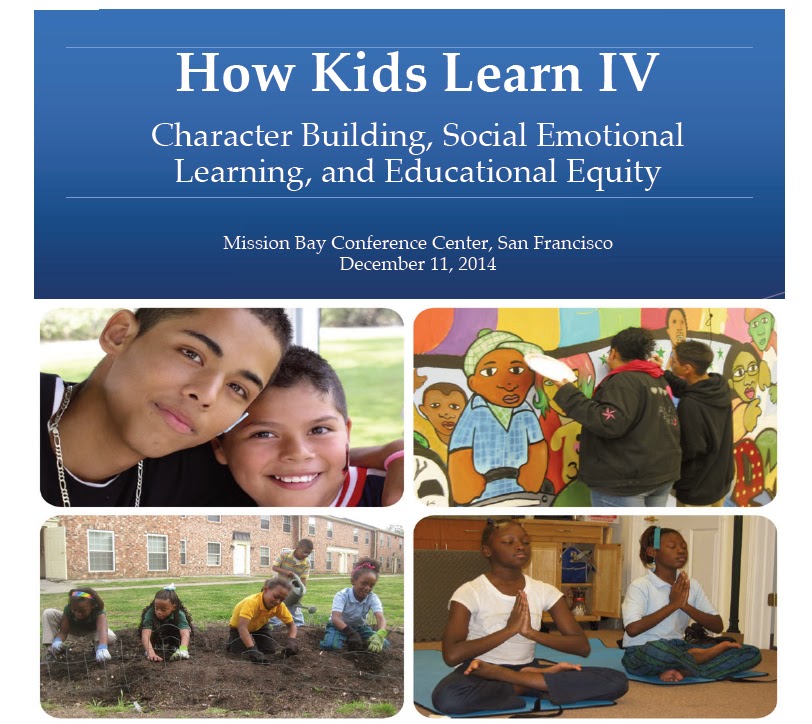
For those who are attending the How Kids Learn IV conference next week, you are invited to participate in real time through social media using the hashtag, #HKL4. Use this hashtag when posting your comments and photos. For those not attending, you can still register or peak in by clicking the hashtag on any of your social media accounts. 

Follow us on: 
Instagram: @LIASproject
- Twitter: @LearninginAS
- Facebook: www.facebook.com/LearninginAfterschool


We interviewed our social media expert, Max Piha, and you can find his answers to a couple of our questions below. 

Q: What does the hashtag do? 
Max Piha
A: Hashtags are used to group content regarding a common topic. When clicked on, you will be taken to a feed of all other posts that include the given hashtag. For example, see the posts that included hashtag #HKL3 from last year's conference: https://twitter.com/hashtag/hkl3 - This year we want to have as many posts with #HKL4 as possible so that during and after the conference, people can go back and see who was at HKL4, who was speaking, what the workshops looked like, etc.

Q: To follow #HKL4 on Twitter, do I need a Twitter account? If so, how do I get that?  
A: You do not need a Twitter account to view the feed of all posts under the hashtag. You can just click on https://twitter.com/hashtag/hkl4 to follow the feed. But in order to add to the feed, you will need to set up an account.

Q: If I want to view photos from the HKL conference on Instagram, do I need an account or only a link? 
A: Public Instagram accounts can be seen by anyone. Take www.instagram.com/djmackswell for example. Anyone can see my profile, but in order to follow me, anyone else, leave comments, like photos, post photos etc., they will need an account.

Q: There is growing interest in using social media for non-profit work. What do you think is the most effective use?
A: I think there are a variety of uses, but most importantly, giving your organization an outward facing, fun, social appearance, plus getting in touch with partners and like-minded people and organizations/brands.

Q: If I want to use social media for my non-profit work, what questions should I consider first? 
A: Determine how much time a week are you willing to dedicate towards social media. Also, how much money, if any, are you willing to spend on advertisements or agency/consultant level help to get you started or to run completely.

____
Max Piha graduated from the University of Washington with a major in communications and a minor in Spanish. He serves as a Temescal Associate responsible for the design of our digital badges and the use of social media. Max is also a very successful club DJ, using the name DJ Mackswell, and you can view his work and hear unique mixes by going to this link: www.djmackswell.com

What We Get Wrong About Teaching Kids to Apologize and Forgive

Source: www.pexels.com By Guest Blogger Suzanne Freedman. This article, What We Get Wrong About Teaching Kids to Apologize and Forgive , was...