Monday, April 24, 2023

A Place For Everyone: Supporting LGBTQ+ Youth In Out-Of-School Time Organizations

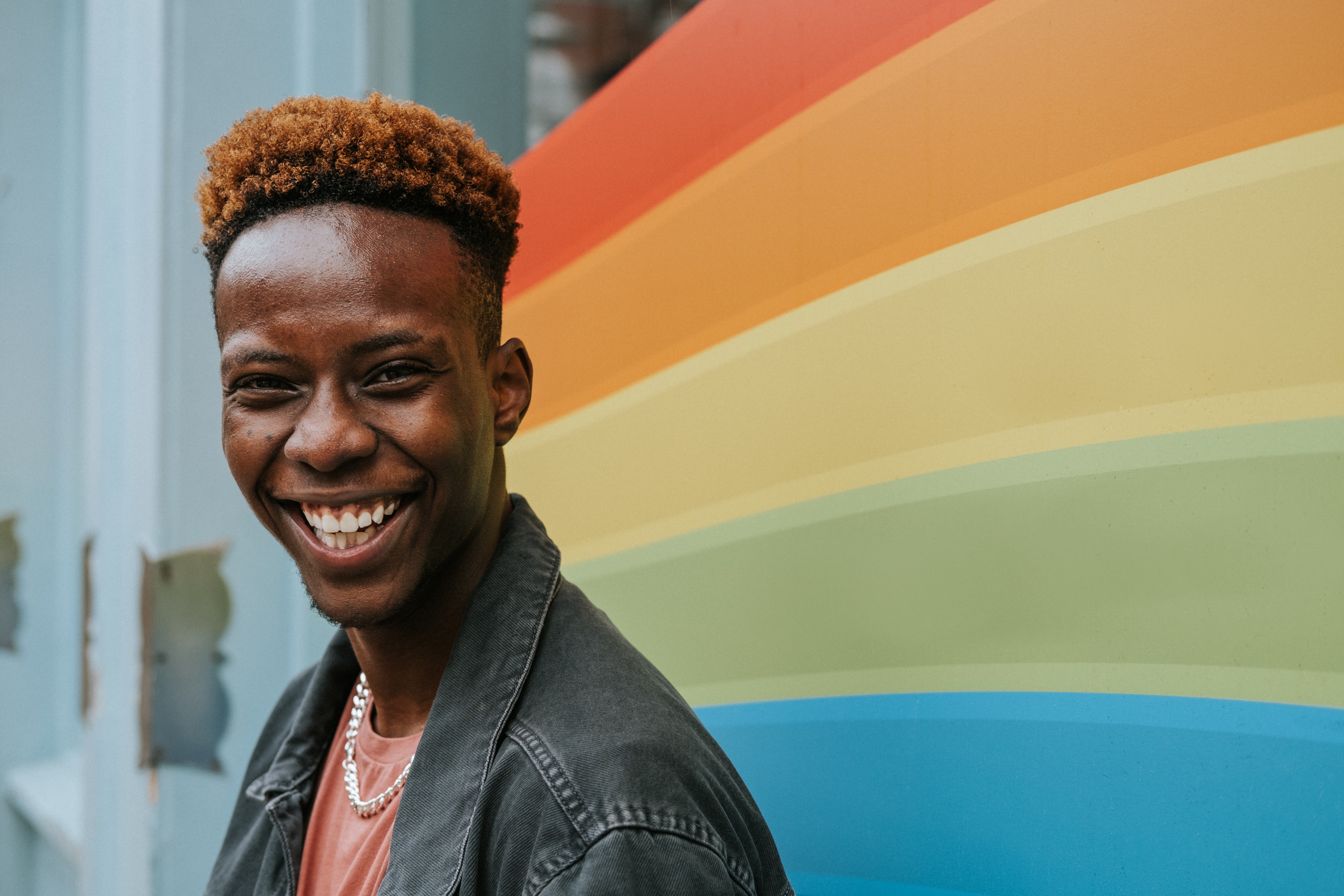
Source: Anete Lusina, www.pexels.com


By Guest Blogger, Clarke Hill
(This was originally published by the National Afterschool Association in the Spring 2023 Afterschool Today issue.)

In the world of youth development, very little is simple. More often than not, organizations are up against seemingly insurmountable odds in the fight for a just society for all young people. The battles young people face are everywhere, from mass shootings to global pandemics and crises related to mental health, housing, and extreme economic insecurity to name just a few. 

Advocating for LGBTQ+ young people can feel like one of these insurmountable tasks. The Trevor Project reports that in 2022 45% of LGBTQ youth seriously considered attempting suicide in the previous year, including 1 in 5 transgender and nonbinary youth, as a result of discrimination they faced in school, social gatherings, and at home. That is a staggering statistic. 

However, equally as staggering, is the finding that when trans and nonbinary young people have their pronouns respected by the adults in their lives they report suicide attempts at half the rate of other trans and nonbinary youth. In a world of big complex problems, using the correct pronoun is something we can all do without a whole lot of effort. When you start to dig into what else LGBTQ+ youth need to feel safe and supported, it turns out most of that is pretty simple too. 

Not only is it simple, out-of-school organizations actually have a unique ability to change those statistics by creating inclusive organizations for all and prioritizing the well-being of their LGBTQ+ youth. 

In this country, youth are provided a variety of places to feel safe and included; it is often taken for granted that home, community, church, school, sports teams, etc. are places for youth to find safety. The truth is that for many LGBTQ+ youth these are spaces that have caused trauma. In 2022 the Trevor Project found that only 37% of LGBTQ+ youth identified home as an affirming space and only 55% felt affirmed at school. Schools are often barred from supporting LGBTQ+ youth because of discriminatory policies instituted by school boards or local governments. The safety of one’s home is dependent upon the beliefs of one’s parents. Out-of-school time organizations often do not have to adhere to the same discriminatory policies and can ensure they are only hiring staff that are accepting and then provide continued training on active inclusion. 

Source: Afterschool Today Spring 2023

One of the easiest things your organization can do is ensure the use of correct pronouns. While it can feel difficult, asking someone for their pronouns and trying your best to use the correct pronouns gets easier as you practice. If you make a mistake and use the wrong pronoun, you can simply apologize and move forward with the correct pronoun. The effort is impactful to the young person even when mistakes are made. The use of they/them pronouns to address a singular person also might feel uncomfortable at first but it is something that we regularly do in the English language. For example, if you walked up to a table at a restaurant and saw a jacket left by a previous customer you might say “oh look, someone left their jacket, I’m going to take it to lost and found for them.” Change can be uncomfortable, and adjusting pronoun usage may have some bumps in the road, but in the end, our effort has real potential to reduce suicidal thoughts in young people. 

Remember, it is impossible to know everyone’s pronouns just by looking at them; staff can model sharing their pronouns when they introduce themselves and make sure to provide the option to share pronouns when they ask young people to introduce themselves. Additionally, you can offer name tags that have a blank for names and a blank for pronouns. Lastly, you may have seen the term “preferred pronouns” used in the past but the definition of preferred is an adjective to describe something that someone likes better than something else. If they were preferred pronouns, it means that other pronouns are acceptable to use which is not the case. 

Again, the youth development field faces big complex problems, but this is a solution with relatively low effort and extremely high impact. 

The lynchpin to creating an inclusive organization is ensuring your staff have received training specific to working with LGBTQ+ youth. Luckily, there are many fantastic resources that can help your organization with education: 

MORE ABOUT...

Clarke Hill, is the Principal and Founder of Clarke Hill Consulting and Co-Founder of Queer Connect. Clarke is a non-profit consultant with over 20 years of experience and her areas of focus as a consultant are non-profit organizational development, youth development, quality improvement, and data-driven DEI. She has worked with organizations across the country such as Boys and Girls Clubs of America, Washington Charters Association, Neighborhood House, and the Forum for Youth Investment. She also worked with government institutions including the Centers for Disease Control, King County, and the National Institute of Environmental Health Sciences. 


Monday, April 17, 2023

LGBTQ+ Youth's Rights Under Attack: STEP 1 (Part 2)

Source: Alex Tinca, www.pexels.com

By: Sam Piha

There have been recent attacks on LGBTQ+ youth in political rhetoric and as state houses around America are considering legislation that targets LGBTQ young people. Even though there are inclusive and progressive politics in some states, afterschool programs in states across the country do not enjoy this. How can they promote a safe space for all youth amid state efforts to erase the LGBTQ+ community? To read part 1 of this blog, click here.

WHAT CAN WE DO?
Begin by staying informed. Below, in this blog we continue our listing of articles about these attacks which are listed by topic. If you click on the title, it will take you to the original article. 

MORE ABOUT SCHOOLS

Source: GLSEN

March 24, 2023 • One parent complained that a Renaissance art lesson was “pornographic.”

March 27, 2023 • The school also tried to ban a Kermit the Frog song.

SPORTS
May 17, 2022 • South Carolina's governor signed into law a bill that would ban transgender students from playing girls' or women's sports in public schools and colleges.

March 25, 2022 • Lawmakers voted to override GOP Gov. Spencer Cox's veto of legislation banning transgender youth athletes from playing on girls teams. The move comes amid a nationwide culture war over trans issues.

IOWA PUBLIC RADIO NEWS March 3, 2022 • The ban takes effect immediately. The ban applies to K-12 schools and community colleges as well as colleges and universities that are part of the NCAA or NAIA.

March 24, 2023 • Russia's gay propaganda law creeps into the National Hockey League.

CRIMINALIZING LGBTQ+ YOUTH AND THEIR FAMILIES
May 13, 2022 • The ruling overturns an injunction barring state officials from following Abbott's directive to view treatments such as hormones and puberty-blocking drugs as incidents of child abuse.


SOME PUSH BACK
April 6, 2023 • The proposed rules would give schools flexibility for “fairness in competition” or where participation could lead to injury.

February 27, 2023 • Dandelion Hunt-Smith moved across the country with their family from Columbus, Ga., to San Francisco for their senior year of high school in search of a welcoming school.

March 2, 2022 • Judge's order stops short of preventing the state from looking into other reports about children receiving similar care.

May 14, 2022 • The federal judge issued a preliminary injunction while a court challenge goes forward. The judge left in place other parts of the law that banned gender-affirming surgeries.

March 22, 2022 • Eleven states have enacted transgender sports bans, though many have been snarled by lawsuits.

THE TEXAS NEWSROOM, March 11, 2022 • The judge halted the state from enforcing Gov. Greg Abbott's directive to launch "child abuse" investigations against parents getting gender-affirming care for their transgender children.

March 8, 2022 • Disney CEO Bob Chapek says the company will pledge five million dollars to groups "working to protect" LGBTQ+ rights. The Human Rights Campaign says it won't take Disney's money.

ADDITIONAL RESOURCES


Monday, April 10, 2023

LGBTQ+ Youth's Rights Under Attack: STEP 1 (Part 1)

Source: www.pexels.com

By Sam Piha

The recent attacks on LGBTQ+ youth in political rhetoric and as state houses around America are considering legislation that targets LGBTQ young people, according to the Trevor Project,” ranging from censoring LGBTQ-related curriculums and books, banning transgender student-athletes from participating in sports that match their gender identity, and criminalizing doctors and families who support youth with transgender medical care.”

“Uncivil discourse and hostile political rhetoric have seeped into the nation’s classrooms, leading to declines in support for teaching about race and racism, and sizable growth in harassment of LGBTQ youth, according to a survey of high school principals released this week.”Ed Source, Political rancor has had chilling effect on public education, survey finds

Even though there are inclusive and progressive politics in some states, afterschool programs in states across the country do not enjoy this. How can they promote a safe space for all youth amid state efforts to erase the LGBTQ+ community? 

WHAT CAN WE DO TO SUPPORT LGBTQ+ YOUTH AMIDST THE ANTI-LGBTQ MOVEMENT?
STEP 1:Begin by staying informed. According to The Trevor Project, “Follow news about LGBTQ issues in your state and around the country. Sign up for newsletters or alerts from organizations like The Trevor Project or the ACLU and follow their social media accounts to stay up-to-date on the latest developments.

AT HIGHER RISK
We know that LGBTQ+ youth are more vulnerable when compared to other youth. They are:
Source: The Lies and Dangers of Efforts to Change Sexual Orientation or Gender Identity


ANTI-LBGTQ STATE LEGISLATION

Below, we have listed several articles by topic which were written by National Public Radio and others. If you click on the title, it will take you to the original article. 


“It’s clear that lawmakers should be taking an intersectional approach to public policy, not working overtime to target the most marginalized young people, particularly those who are transgender or nonbinary, for partisan political points. We all must play a role in promoting LGBTQ acceptance and creating a more supportive world for all young people.”- Amit Paley, CEO & Executive Director of The Trevor Project

SCHOOLS 

March 8, 2022 • Florida's Senate passed a bill Tuesday that aims to limit discussions of sexual orientation and gender identity in schools. Gov. Ron DeSantis has signaled support for the legislation.

Texas attorney general says Austin school Pride Week celebration breaks state law
March 25, 2022 • Austin's school district holds events to celebrate LGBTQIA+ students every year. Attorney General Ken Paxton says, "when it comes to sex education, parents—not school districts—are in charge."

HEALTHCARE
Alabama Legislature votes to ban gender-affirming medical care for transgender youth

April 7, 2022 • State lawmakers also passed a separate measure prohibiting early classroom instruction on sexual and gender identity, a bill critics have dubbed "Don't Say Gay."

Alabama is using the case that ended Roe to argue it can ban gender-affirming care
July 3, 2022 • The case marks one of the first known instances in which a conservative state has tried to apply the abortion ruling to other realms, just as LGBTQ advocates and others were afraid would happen.

 Source: Gabriel C. Pérez/KUT, National Public Radio,
VIDEO: Parents of trans kids fear Texas' anti-trans orders

A judge blocks part of an Alabama law that criminalizes gender-affirming medication
May 14, 2022 • The federal judge issued a preliminary injunction while a court challenge goes forward. The judge left in place other parts of the law that banned gender-affirming surgeries.
 
Texas Supreme Court OKs state child abuse inquiries into the families of trans kids
May 13, 2022 • The ruling overturns an injunction barring state officials from following Abbott's directive to view treatments such as hormones and puberty-blocking drugs as incidents of child abuse.
 
Can states limit abortion and gender-affirming treatments outside their borders?
March 15, 2022 • Building on SB 8 in Texas, some Republican lawmakers are trying a new strategy: pushing bills that would attempt to limit what residents can and can't do even beyond state lines.
 
Georgia governor signs trans health care ban
March 24, 2023 • Doctors could lose their job if they provide safe and effective treatments to trans youth.

BANNING OF BOOKS, MUSIC, AND ART

Source: National Public Radio

These kids' authors are telling the stories of trans youth. Book bans won't stop them.
March 31, 2022 • As lawmakers push forward with efforts to curb the rights of queer and trans youth, authors who've written about gender expansive and trans identities say storytelling is crucial.


Monday, April 3, 2023

Mental Health in Afterschool: Don't Forget to Actively Promote the Mental Health of Afterschool Workers

Source: www.pexels.com

By Sam Piha
 
In Part 1 & 2 of Youth Mental Health: What Can We Do in Afterschool, we explored which afterschool superpowers can be applied to address the youth mental health crisis. Below we offer thoughts on how afterschool programs can promote the mental health of adult staff. We also offer additional resources on mental health. (Note: learning loss indicated by lower reading and math scores should not be the focus of afterschool.)
 
Don’t Forget to Actively Promote the Mental Health of Afterschool Workers
Serving as a youth worker can be very stressful, even before the pandemic. It can be challenging, especially if staff are struggling with their own stress. It is important for afterschool organizations, leaders and individual youth workers to take actions to support the mental health of staff.
 
“Self-care is giving the world the best of you instead of what’s left of you.” - Katie Reed, Writer, speaker, and mental health advocate 
 
Tips for Afterschool Provider Organizations: 
  • Ensure access to free mental health services for staff
  • Allow program staff to take mental health days, with pay.
  • Lead activities that express appreciation for program staff as important “first responders.”
  • Even though many programs suffer from staff shortages, try to avoid over scheduling your staff.
  • Compensate staff when they work overtime. 
 
Tips for Afterschool Program Leaders:
  • Make statements that normalize the stress that comes with youth work and acknowledge the contributions of staff.
  • Conduct frequent team building exercises.
  • Promote messaging to staff to set aside time for self-care and seek mental health support when needed.
  • Institute check-in circles at staff meetings, which allow people to share their experiences.
  • Offer workshops on self-care practices. Incorporate self-care practices into meetings and encouraging staff to practice mindfulness, yoga and stretching can help build coping skills. 
  • Remind staff, “We can’t solve the youth mental health crisis alone. It takes the entire village.”
 
Self-Care Tips for Individual Afterschool Workers 
“Self-care is the action and effort of taking care of one’s physical, mental and emotional well-being. It is not about being selfish, but rather about self-preservation. It also isn’t about investing in products; it’s about investing in one’s self.”National Afterschool Association, 104 Self-Care Strategies for Afterschool Professionals
  • Set aside time for self-care and seek support when needed.
  • Take a mental health day as a paid sick day when needed. 
  • Practice mindfulness, yoga and stretching.
Source: www.pexels.com

“Self-care is a personal practice that should be exercised daily and for the long term. Beginning a self-care journey may feel daunting and overwhelming with all the information available on the topic. The following 104 strategies are tips to help get you started and/or refine your self-care practices. While there plenty of tips included in this guide, identify those which you most resonate with and will help you on your self-care journey.” - National Afterschool Association, 104 Self-Care Strategies for Afterschool Professionals
 
MORE INFORMATION ON AFTERSCHOOL AND YOUTH MENTAL HEALTH
There is an abundance of information on COVID and youth mental health. In addition to the links cited in our previous blogs on mental health, below are some recommended resources on the topics discussed. 
 
 
Speaker’s Forums/ Webinars
Temescal Associates and The How Kids Learn Foundation have sponsored 4 recent webinars on the topic of kindness and mental health. We invite you to view these presentations by clicking on the image below.


Monday, March 27, 2023

A Case for Involving Youth to Address the Youth Mental Health Crisis (Part 2)

 
Youth are clear: they want to be involved as part of the mental health solution!
 
In part 1 of A Case for Involving Youth to Address the Youth Mental Health Crisis, we focused on reasons to involve youth in efforts to address the youth mental health crisis. Below we profile some youth-led efforts dedicated to this. We hear directly from involved youth leaders through our interviews or informational videos.
 
Hope Squad
According to the Hope Squad National Council, the Hope Squad program is a school-based peer support team that partners with local mental health agencies. Hope Squads seek to reduce self-destructive behavior and youth suicide by training, building and creating change in schools and communities. 
 
Source: Grant Us Hope

Peers select students who are trustworthy and caring individuals to join the Hope Squad. Squad members are trained to watch for at-risk students, provide friendship, identify suicide-warning signs, and seek help from adults. HOPE Squad members are NOT taught to act as counselors but are educated on recognizing suicide warning signs and how to properly and respectfully report concerns to an adult.
 
“Some students won’t get help because they’re just afraid to ask for it,” said Sofia, a senior at Hilliard Davidson High School. But if a peer knows, and if their struggle is seen and heard, then they’re able to say, OK, yes, I do need the help. And we can get them to go to an adult themselves.” - Students Train to Spot Peers with Mental Health Struggles and Guide Them

Click on the image below to view a video of statements by Hope Squad youth volunteers.

According to their website, Grant Us Hope is a change agent for teen suicide prevention in the Greater Cincinnati region. They are passionate about providing a platform for teens, parents, and families to engage in pro-mental health conversations, activities, and solutions, and they’re committed to expanding the availability, reach, and impact of mental health services for teens in distress. 

Grant Us Hope also implements a Hope Squad program, which they describe as “an evidence-based peer-to-peer suicide prevention program. This school-based initiative includes ongoing mental health/suicide prevention curriculum and empowers youth to apply the lessons using their own creativity”.

“Seven out of 10 youth say that when they are struggling with something, they are more likely to confide in a peer than a trusted adult.” - Grant Us Hope 

You can click on the image below to view a video to learn more about their youth-led efforts.

Source: Grant Us Hope- Hope Squad


YouthLine
YouthLine’s website describes their program this way: “We are teens helping teens. YouthLine is a teen-to-teen youth crisis and support service provided by Lines for Life—a non-profit dedicated to preventing substance abuse and suicide. 

YouthLine operates a national helpline that provides crisis support and referrals via call, text, and chat. The YouthLine is answered by teen volunteers daily from 4pm-10pm PST (and by adults at all other times!). Translation services are available upon request. YouthLine also operates a peer-supported outreach program to destigmatize mental health challenges, increase awareness for mental health and wellness, and encourage youth to reach out for help. YouthLine’s helpline and outreach programs are supported by their youth development program, which builds skills and confidence around mental health and wellness. 
 
In the Portland YouthLine program each youth volunteer gets more than 60 hours of training, and master's level supervisors are constantly on standby in the room, listening in and reading along, ready at a moment's notice to step in if needed. The PBS News Hour recently toured the Portland YouthLine program. You can click on the image below to view their broadcast. 

Source: PBS News Hour

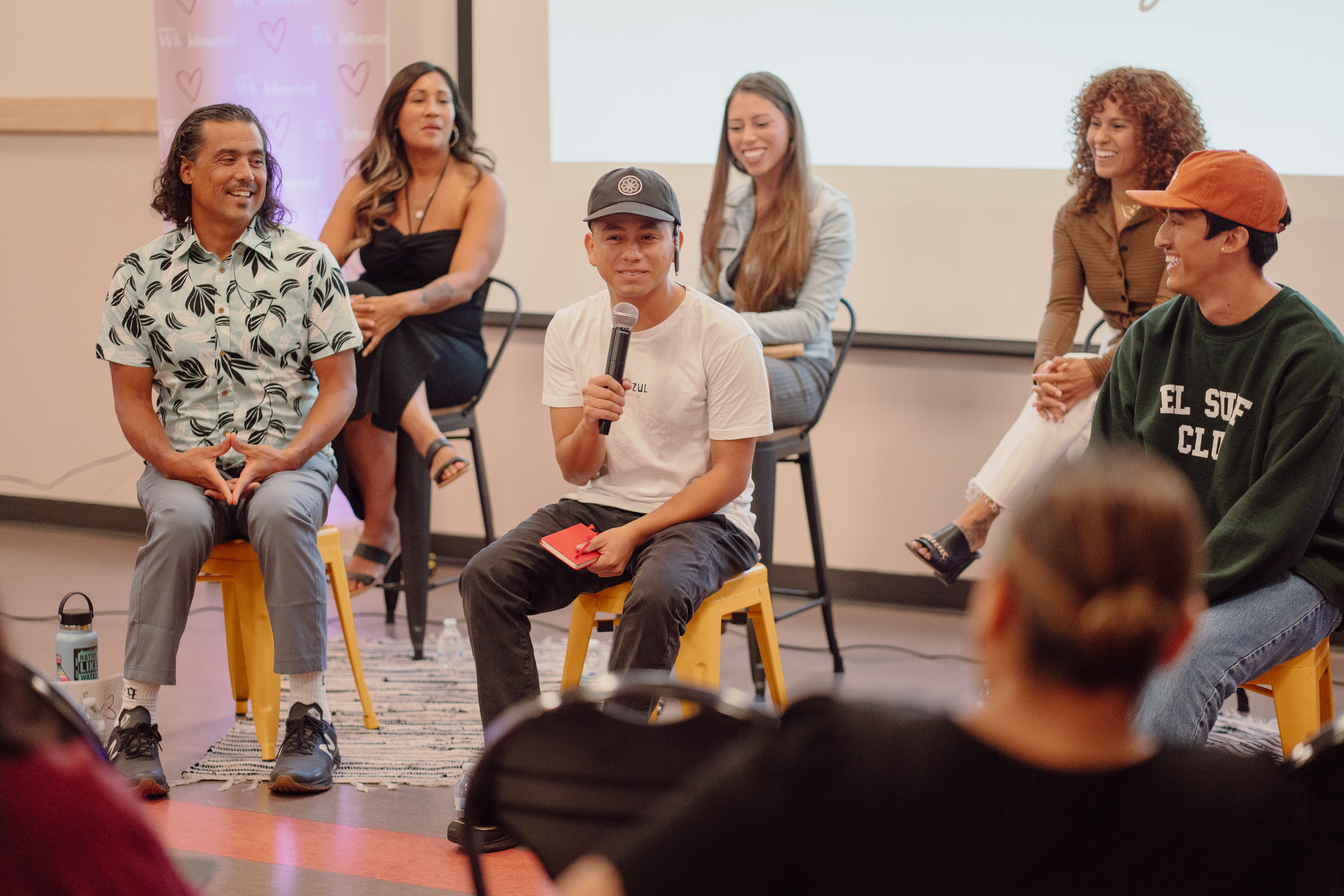
Simply Wholehearted 
Simply Wholehearted is a non-profit organization providing leadership opportunities to historically excluded students in low-income communities, creating game-changers who live, lead, and inspire. Their goal and mission are to provide equal access leadership with no borders because they believe that leadership shouldn’t be exclusive to specific communities. Simply Wholehearted was founded by Axel Perez. He was 18 when Simply Wholehearted was formally founded (15 if you count the first version created, which stems from his podcast).
 
Simply Wholehearted supports the youth mental health crisis by connecting them with extracurricular activities that can help boost their mental health and provide resources for organizations servicing mental health. In doing so, they have connected youth to soccer, dance, and student government opportunities. Additionally, Simply Wholehearted has hosted mental health workshops for middle and high school students during the summer in partnership with local school districts.
 
“Youth can get involved by becoming advocates of change and mental health. It is vital that youth speak up and destigmatize mental health, but most importantly, amongst their peers. Sharing their stories and what has helped improve their mental health is a great start, as well as creating school-wide campaigns to recognize mental health and share resources with the school community. Reaching out to school staff, district services, and community organizations and collaboratively bringing them all together to create an awareness event creates an opportunity for youth leadership, especially when it’s student-run and organized.” - Axel Perez, Co-Founder and President, Simply Wholehearted


WEBINAR RECORDING
This webinar features youth leaders who have worked to improve youth mental health and are associated with Simply Wholehearted, Hope Squad and YouthLine (providing peer-to-peer mental health support). We hear their perspectives on the importance of engaging youth in mental health initiatives. Our speakers share their programs they are involved with, direct participants to resources, and answer any questions. To watch this webinar, click here.

Monday, March 20, 2023

A Case for Involving Youth to Address the Youth Mental Health Crisis (Part 1)

By Sam Piha

The concerns of youth declining mental health are not new. Nor is the shortage of mental health professionals in our schools and communities. Both were issues before the pandemic and as a result of the pandemic these issues are of greater concern.

Youth are clear: they want to be involved as part of the solution. There are several reasons to involve youth directly:

The Shortage of Adult Helpers.

“On average, there is only one school psychologist for every 1,200 students, far from the 1-to-500 ratio recommended by the National Association of School Psychologists. There are currently 427 school counselors for every student, but the American School Counselor Association recommends one per every 250 children.”

And the need is clearly growing. For instance, Oregon Youth Line, a teen-to-teen youth crisis and support service, received roughly 1,400 contacts, many coming from in the state of Oregon. But, by 2021, things had exploded, with almost 25,000 annual contacts from all across the country.

“This issue has intensified in a COVID world, where teens have lost access to school counselors and support systems. Their journey with mental illness or mental health concerns is made much harder, and they are struggling severely with few ways to feel better.” - Youth Crisis Line Volunteer, Tales of a Teen Crisis Worker 

Youth are Effective.

Source: www.pexels.com

Teens cope better with stress when they interact with their peers, rather than adults. Seven out of 10 youth say that when they are struggling with something, they are more likely to confide in a peer than a trusted adult. 

“We just have a much better perspective on what it's like to be a teenager today and the complexities that comes with and the strain that that can put on your mental health.”Fiona, Youth Line Volunteer

“Teens are more likely to communicate with their peers than with their parents or teachers. Peer-led counseling programs show promise in helping to detect mental health concerns in younger students.” – Tonya Russell, Peer Counseling May Reach Teens in Ways That Adults Can't

Youth Want to be Part of the Solution.

“Youth express a collective desire – they even demand – that adults involve them in creating a more responsive education system so that they can, as one student put it, ‘find our way back to loving learning.’”Youth Truth Survey

“I wish the school did more to train and educate its students on how to identify ... warning signs of deteriorating mental health, abuse, self-harm, and violence within their peers - and respond appropriately and compassionately.” – 12th grade student

Youth Can Handle the Responsibility.

“If you’re still uneasy about the idea of youth supporting other youth, I understand, but I challenge you to think of us not as kids thrown on a crisis line, but as trained specialists, adequately prepared and supported in doing life-changing (and at times, life-saving) work on both sides of the phone.”Youth Line Volunteer

“I asked students, is this too much to take on? But I realized that they’re having these conversations with their peers on a daily basis. In the absence of formal training, they very much carry the weight on their shoulders that they have to fix their friends’ problems. If we’re not engaging them and giving them the right tools and training to engage in those conversations, we’re missing the boat.” - Suzanna Davis, vice president of operations and programs, Grant Us Hope, and former high school principal

There are Benefits Accrued by Youth Helpers.

“Most nights I leave my shift feeling more energized than when I came. Sitting in that virtual space, talking to those most interesting and dynamic teens, clears my heart of a heavy day and wipes my head of the weight of the world. There is no feeling comparable to being a part of someoneʼs journey to self-love, self-acceptance, and healing, and I gain far much more from the teens I talk to than I could ever give.” - Youth Crisis Line Volunteer, Tales of a Teen Crisis Worker

Stay tuned for part 2 of this blog where we will explore different youth-led programs that are addressing the youth mental health crisis. 


WEBINAR RECORDING
To watch this webinar, click here.


UPCOMING WEBINAR

Play comes natural to kids and to out-of-school time educators! Research across youth development and education fields have identified principles that define playful learning and the positive youth outcomes that can come from intentional play. In this webinar, we will explore this topic and learn about free resources you can use to incorporate high-quality playful learning opportunities into your programs and how to advocate for more play in the lives of children. To learn more and register, click here.


Monday, March 13, 2023

A Youth Leader Speaks Out on Kindness and the Youth Mental Health Crisis

Source: Simply Wholehearted

By Sam Piha

Meet Axel Perez. He has been a youth leader and activist since he was 15 years old. He is now 20 and Co-Founder/ President of Simply Wholehearted. Axel recently participated in a How Kids Learn Foundation webinar entitled “Promoting Kindness in Afterschool Programs” and will be featured in a future webinar on March 15, 2023 entitled, “Youth Led Efforts to Improve Mental Health.” 


We interviewed Axel Perez about his non-profit, kindness and youth mental health and below are his responses.

Q: Briefly, what is your story? How did you start? 
A: The idea of Simply Wholehearted was present way before it became the organization it is now. In my sophomore year of high school, at the age of fifteen, I started a podcast named “This Teenage Life,” where I discussed real-life issues teens experience as young adults. When I realized I wasn’t going to be a teen forever, I changed the route of my podcast, rebranded to “Simply Axel” and began talking about societal issues, like the separation of families at our borders. Running the podcast with this type of content, I didn’t feel as passionate as I wanted to be. At this point in my life, I had served my fourth year on Student Council (ASB) as Student Body President, Southern Regional Director for the California Association of Student Leaders. I found myself surrounded by leadership but lost when it came to my podcast, and that’s when it clicked! I should make leadership content. 

After realizing I was passionate about leadership and had the experience, knowledge, and resources around me, I began sharing my vision and working alongside outstanding individuals to create leadership development curricula and activities. This focus on leadership led us to “Simply Wholehearted”. Simply Wholehearted wouldn’t have come to life without the support of Magaly Barajas and the EduCare Foundation team.  

At this point, “Simply Wholehearted” became a leadership organization. Leadership groups in our community struggle to afford leadership development services that other privileged groups get to attend or receive benefits from, which is why I made it my goal to offer these services to historically excluded students. Since then, we have served over two thousand students for free through several workshops, private training, and leadership curriculum. Our podcast offers topics on leadership with a supplementary worksheet for students to tag along, and our program, Empower Wholehearted, provides a groundbreaking curriculum, interactive activities, and wholehearted connections that will leave teams empowered and expand their reach and impact.

Q: Can you describe your non-profit, Simply Wholehearted
A: Simply Wholehearted is a non-profit organization providing leadership opportunities to historically excluded students in low-income communities, creating game-changers who live, lead, and inspire. Our goal and mission are to provide equal access leadership with no borders because we believe that leadership shouldn’t be exclusive to specific communities. 

Simply Wholehearted was founded based on my experience with leadership in high school. I was fortunate to have the opportunity to get involved with several organizations, but my peers did not have the same opportunities. After realizing communities like mine were not receiving leadership development, curriculum, conferences, or leadership opportunities, I decided to change that factor and give back to my community in a way that would create a generational impact.  

Q: It seems we live in a time in which meanness is in vogue. Do you agree with this? And why do you think this is so? 
A: I agree that we are living in a time with high stakes regarding hate, meanness, and pain. I believe this is due to the political, racial, and gender divide that our country is facing. We have forgotten that we are all human and have emotions underneath our beliefs. During the beginning stages of COVID, we learned how to become compassionate and empathetic as we were all experiencing the same emotions. However, as COVID became prolonged and we began to go back to our everyday lives, we forgot how to be compassionate. We no longer made an importance to be kind and understanding towards others.

Q: What can we do in afterschool to prevent meanness?
A: Afterschool enrichment is vital to students. An essential factor that afterschool programs should focus on is ensuring their programs offer students a life-learning skill as a takeaway. Along with enrichment, teaching students skills like leadership, integrity, compassion, and gratitude will help improve not only the lives and characters of these students but the culture and climate of your campus and community.

Q: How do you define Kindness? 
A: To me, kindness is the act of being empathetic, caring, and loving towards those around you and with whom you interact. To be kind is to be human and to come from a place of understanding when coming across others, leaving everyone with a positive experience. 

Q: What can we do in afterschool to promote kindness? 
A: Afterschool programs can prompt kindness by creating campaigns with pass-it-on cards or random acts of kindness where you randomly show appreciation to staff and/or students by giving away items like popcorn, candy, snow cones, etc. The main idea is to accomplish an act of kindness that will randomly make someone’s day. We may not know what everyone is going through, but we can show gratitude and appreciation toward them. 

Q: How is kindness related to youth leadership? 
A: Kindness is a trait that leaders must practice. When you become a leader, you are no longer on the frontline producing the work. You are building the team that is producing the work. Kindness is one of the many traits that will earn you respect from your peers which will create a stronger bond and impact your organization in a more meaningful way. 

Source: Simply Wholehearted

Q: What mental health changes have you seen in youth due to COVID? 
A: Post-pandemic, we saw the youth struggle with several mental health issues. For youth, it is vital for them to interact with peers and society, as well as explore their surroundings and challenge their abilities. None of this was possible during the pandemic, and still, to this day, we find restrictions with the acknowledgment that COVID is still around. This is how the youth became impacted. 

Mental health challenges I continue to see in our youth due to COVID-19 are physical insecurities, anti-social tendencies, anxiety, depression, and many others. These challenges presented themselves as we were stuck at home with no social interaction and living our lives behind the screens of our devices. The lasting effects are some that we are still dealing with today and are challenged to overcome.  

Q: How can youth be involved in improving the mental health of their peers? How does this interact with youth leadership? 
A: Youth can get involved by becoming advocates of change and mental health. It is vital that youth speak up and destigmatize mental health, but most importantly, amongst their peers. Sharing their stories and what has helped improve their mental health is a great start, as well as creating school-wide campaigns to recognize mental health and share resources with the school community. Reaching out to school staff, district services, and community organizations and collaboratively bringing them all together to create an awareness event creates an opportunity for youth leadership, especially when it’s student-run and organized.


MORE ABOUT…

Axel Perez is the co-founder and president of Simply Wholehearted, an Expanded Learning Program Lead for EduCare Foundation and an educator from Lynwood, CA, who is dedicated to helping students receive equal opportunities in leadership. Axel, a former participant of EduCare programs, now advocates for the important impact afterschool makes on youth. Axel is an inspiring organizer, activist, and creative leader committed to make sure leadership has no borders.

Monday, March 6, 2023

A Youth Leader Speaks Out on Peer-to-Peer Counseling and Suicide Prevention

Source: Sofia Mendoza

By Sam Piha

Since the return of young people to school and afterschool programs after the COVID shutdowns, there have been major concerns raised by educators and youth workers regarding youth mental health, the increase of challenging behavior and a decrease in acts of kindness shown to peers. Youth are not blind to these issues and want to be part of the solution.
 
In this vein, meet Sofia Mendoza, a freshman at Purdue University. When she was a senior at Hilliard Davidson High School, she served as a peer-to-peer counselor in the HOPE Squad program. HOPE Squad is a school-based peer support team that partners with local mental health agencies. They seek to reduce self-destructive behavior and youth suicide by training, building and creating change in schools and communities. 
 
Below is an interview with Sofia Mendoza about her experiences as a HOPE Squad peer counselor. She is also a featured speaker in an upcoming webinar entitled, Youth-Led Efforts to Improve Mental Health on March 15, 2023 from 10am-12pm PST.
Q: Why did you join the HOPE Squad?
A: During my freshman year of high school, I was selected to be a HOPE Squad member as the selection process was based on peer-to-peer nominations. I accepted my role because I did not know what HOPE Squad would look like at my school, but I knew that breaking the stigma around mental health was something I wanted to be a part of.

Source: HOPE Squad
Q: How were you prepared for this role?
A: As a HOPE Squad member, we all received instruction on how to Question, Persuade, and Refer our peers, better known as QPR training. We learned about the warning signs of suicide, practiced mock conversations with students, and learned about all the resources students can utilize to find professional help regardless of whether or not the student is in crisis.

Q: Many people say that youth are not able to handle the responsibility of a peer counselor. Please comment on this.
A: The situations that youth must deal with nowadays can be very challenging to navigate and especially mentally draining. Even if a student isn’t a peer counselor, they are already helping their peers through these difficult times. 
 
HOPE Squad equips students with a toolbox to navigate these tough conversations. I would also say that as a peer counselor, we focus our efforts on referring students to the correct resources. We are not expected to solve a student’s issues, what we are responsible for is recognizing when students are showing signs of suicide and providing them the support to find the resources best for them. Especially with programming such as HOPE Squad, students work hand in hand with their guidance counselors. This relationship is critical because the student does not have the sole responsibility of ensuring their peer gets help, these counselors are here to support as well.

Q: Why do you think this peer approach is important?
A: Unfortunately, there are many students who do not have strong support systems to lean on when going through difficult times. Often when students do have these support systems, they would rather lean on their peers anyways because they do not want to burden their parents and mentors, or they simply may feel uncomfortable talking about their mental struggles. This is where their peers come in because the trust and confidence built between friendships is like no other. Because of these relationships, peers can notice these mental struggles earlier and have the ability to intervene. We must equip youth with the tools to listen and adequately respond when they believe their friends are in crisis. This is why this approach works because speaking about personal struggles comes much easier than discussing these issues with adults.
 
Q: What impact did serving as a peer counselor have on you?
A: I have gained a new awareness when interacting with people and I feel this experience has increased my emotional intelligence. I do my best to spread positivity each and every day by recognizing that the interactions I have with people can have a huge impact on their lives.
 
Q: Can you define "kindness"?
A: To me, kindness means being emotionally aware of others and offering continuous support to those around you. Kindness can be shown from little things such as saying thank you, holding the door for others, or even complimenting someone. It can also be exemplified through larger things such as assisting someone through difficult times.
 
Q: In your experience, what was the impact of the COVID pandemic on young people?
A: The little good that did come from COVID was that the pandemic highlighted the importance of self-care practices. Many students went from rigorous schoolwork and busy lifestyles to immediate isolation. This shift illustrated that it is okay to take breaks and not force students to stretch themselves thin. 
 
Additionally, many young people’s lives changed by the pandemic whether their financial, family, or physical situations had changed. These unforeseen circumstances shifted many people’s views on what they truly value in life.
 
Q: Did you find that self-care was important in your role? Can you say more about this?
A: You cannot fully help people when you are not meeting your own needs. Even before joining HOPE Squad I had struggled with this because I enjoyed giving and helping people even when I could not give anymore. Once I was in this role, I found that our curriculum had equally emphasized the importance of self-care, and I even learned about new activities I could try to decompress. I have found that self-care is one of the most important things you could do in order to recharge your social, emotional, and physical batteries.
 
Q: If schools and youth programs want to learn more about youth led peer counseling, who could they contact or what resources would you recommend?
A: I would recommend schools and youth programs to look into starting a HOPE Squad. This organization has done a good job developing a curriculum for students to follow in order to begin breaking the stigma around mental health. If this opportunity is not an option, an alternative could be hosting educational events centered around mental health by consulting mental health experts in the area. Anything that involves talking about mental struggles and acknowledging that everyone deals with these issues whether big or small, is one step closer to normalizing discussing mental health.
 
Additionally, I would also recommend having all faculty to be QPR certified, sponsored by a Youth Suicide Prevention organization, as this is one of the most important educational tools I have been taught. As a society, I think it is important to be able to recognize the warning signs of suicide because this information alone can save lives if we correctly respond to these signs.

Click the image below to hear an interview with Sofia when she was named "A Rising Star." 


Click on the image below to view a video of statements by other HOPE Squad youth volunteers.
 

MORE ABOUT...
Sofia Mendoza is a freshman in First-Year Engineering at Purdue University. She serves as the project manager for the Women in Engineering section of the Engineering Projects in Community Service initiative at Purdue, as well as a multi-faceted dancer for XSeries and the Purdue Contemporary Dance Company. Along with her passion for STEM and dance, she has an extensive history with advocating for mental health as a past member of HOPE Squad, a peer-to-peer suicide prevention program.

A Book Drive for Children's Books Makes for a Fabulous Service- Learning Project

Source: The Children's Book Project  By Sam Piha   In our previous paper entitled, Reading Buddies: Promoting Literacy and Community Eng...