We heard from Dr. Judy Willis, a neurologist turned classroom teacher, via video at our first How Kids Learn conference. Dr. Willis was also interviewed in a two-part blog and agreed to a videotaped interview for an upcoming DVD on the Learning in Afterschool & Summer (LIAS) principles. You can hear Dr. Willis in an upcoming, free webinar entitled "Ask Dr. Judy: The Essential Neuroscience of Learning" on December 11, 2012 from 3:00 PM - 4:00 PM EST. You can register by clicking here.
Below, Dr. Willis joins us as a guest blogger.
Greetings Neuro-Igniters,
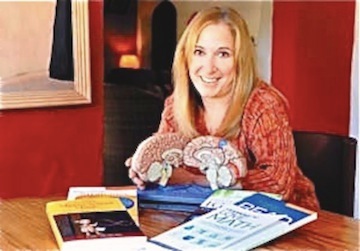 |
| Dr. Judy Willis |
I think I have met more of you in the past year than ever before
through my presentations and workshops in 25 states and 10 countries in the
past 12 months—or "remotely" through television, radio, and online
interviews.
Unfortunately, I will be unable to attend the How Kids Learn II conference due to prior commitments. However, I was able to contribute to an LIAS webinar and an upcoming video promoting the LIAS principles. I am impressed at your interest and your
desire to build your knowledge base of the neuroscience of learning. You'll
find a list of places where I'll be giving presentations at conferences and
workshops at schools on my website. If you are able to attend one of these,
please come by and say "hello"!
It seems that we all share the common challenge of TOO MUCH
information students are required to memorize and not enough time to be
creative and offer the authentic, project-based, inquiry and discovery learning
experiences that are so critical if students are to develop their executive
functions.
 Executive functions is the neurological term for the highest levels
of cognition designed for decision-making and goal achievement. These include
judgment, critical analysis, prioritization, deduction, risk assessment, and
transfer of knowledge to novel, innovative applications. In the United States,
the Common Core Standards call for students to use these very executive
functions that have been described by neurology for over 75 years as emblematic
of prefrontal cortex neural processing.
Executive functions is the neurological term for the highest levels
of cognition designed for decision-making and goal achievement. These include
judgment, critical analysis, prioritization, deduction, risk assessment, and
transfer of knowledge to novel, innovative applications. In the United States,
the Common Core Standards call for students to use these very executive
functions that have been described by neurology for over 75 years as emblematic
of prefrontal cortex neural processing.
As these neural networks undergo their greatest rate of change
(maturation with pruning of unused networks and myelination to strengthen the
most used networks) during the school years, educators are the caretakers of
the development of our students' highest cognitive and emotional neural networks.
Not only are these executive functions those delineated in the Common Core
Standards, but they are also the qualities now sought by employers in response
to globalization of communication, accelerated information dissemination, and
technological breakthroughs.
The success of educators to help all children develop these critical
21st century skill sets will increasingly benefit from the continuing
acceleration in the quality and quantity of neuroscience research relevant to
how the brain learns best. It will be up to educators to "translate"
the implications of the research into strategies for planning and teaching.
As I see your efforts to acquire the background knowledge in
neuroscience to take on this task of developing applications of this research,
I am confident that you will succeed. I look forward to the impact you will
have as you continue to learn and collaborate to insure that students are
engaged with meaningful, memorable learning experiences that their brains will
construct into long-term, concept memory circuits.
Your students will be prepared with the transferable wisdom they will
need to solve new problems that have yet to be revealed and expand on new
information as they seize the opportunities for creative innovation in their
21st century.
Keep igniting.
___________________________
Dr. Judy Willis, a board-certified neurologist in Santa Barbara, California, has combined her 15 years as a practicing adult and child neurologist with her teacher education training and years of classroom experience. After five years teaching at Santa Barbara Middle School, and ten years of classroom teaching all together, this year Dr. Willis reluctantly left teaching middle school students and dedicated herself full-time to teaching educators. With an adjunct faculty position at the University of California, Santa Barbara graduate school of education, Dr. Willis travels nationally and internationally giving presentations, workshops, and consulting while continuing to write books for parents and educators.



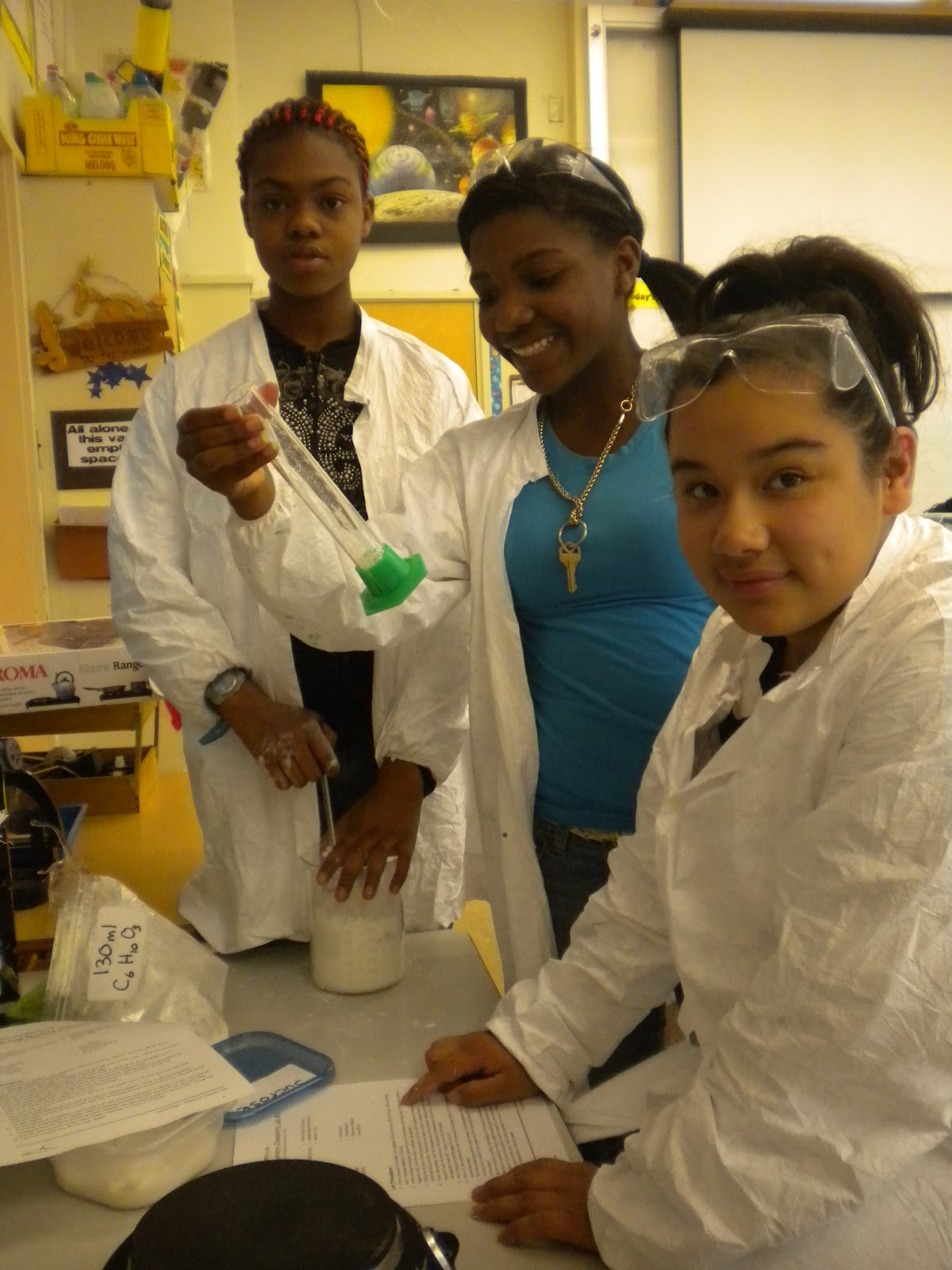 "8. Constructivism Will Flourish: Along with
neuroscience and learning design above, more and more 'movements' have emerged
out of and around constructivist teaching and learning. From the veteran
project-based learning to up-and-comers like the Maker Movement, flipped
learning, challenge-based learning, entrepreneurial linked education, etc.,
people are realizing that the old apprenticeship model is again possible, at
scale, thanks to technology. Learning by creating is fostering connections
between the learner and real products, services, or ideas and is, to many, a
fundamental 'missing link' with most education today." - The LIAS project promoted these ideas in our
project position statement and through our training offerings and speakers
featured at our How Kids Learn I, II, and III conferences.
"8. Constructivism Will Flourish: Along with
neuroscience and learning design above, more and more 'movements' have emerged
out of and around constructivist teaching and learning. From the veteran
project-based learning to up-and-comers like the Maker Movement, flipped
learning, challenge-based learning, entrepreneurial linked education, etc.,
people are realizing that the old apprenticeship model is again possible, at
scale, thanks to technology. Learning by creating is fostering connections
between the learner and real products, services, or ideas and is, to many, a
fundamental 'missing link' with most education today." - The LIAS project promoted these ideas in our
project position statement and through our training offerings and speakers
featured at our How Kids Learn I, II, and III conferences. 


