Showing posts with label music participation. Show all posts

Tuesday, October 18, 2022

YOUTH VOICE: The Meaning of Music Participation In and Out of School

Source: www.pexels.com

By Sam Piha

“We will do well to listen to what teens tell us about music as a common need and a constant presence in their lives. Music is their social glue—a bridge for building acceptance and tolerance for people of different ages and cultural circumstances.”- Patricia Shehan Campbell, Ph.D.

Anytime we want to better understand what things mean to youth, we should ask them. Below are some summaries and statements on the importance of music in young people’s lives originally published on the National Association of Music Merchants (NAMM) Foundation website.

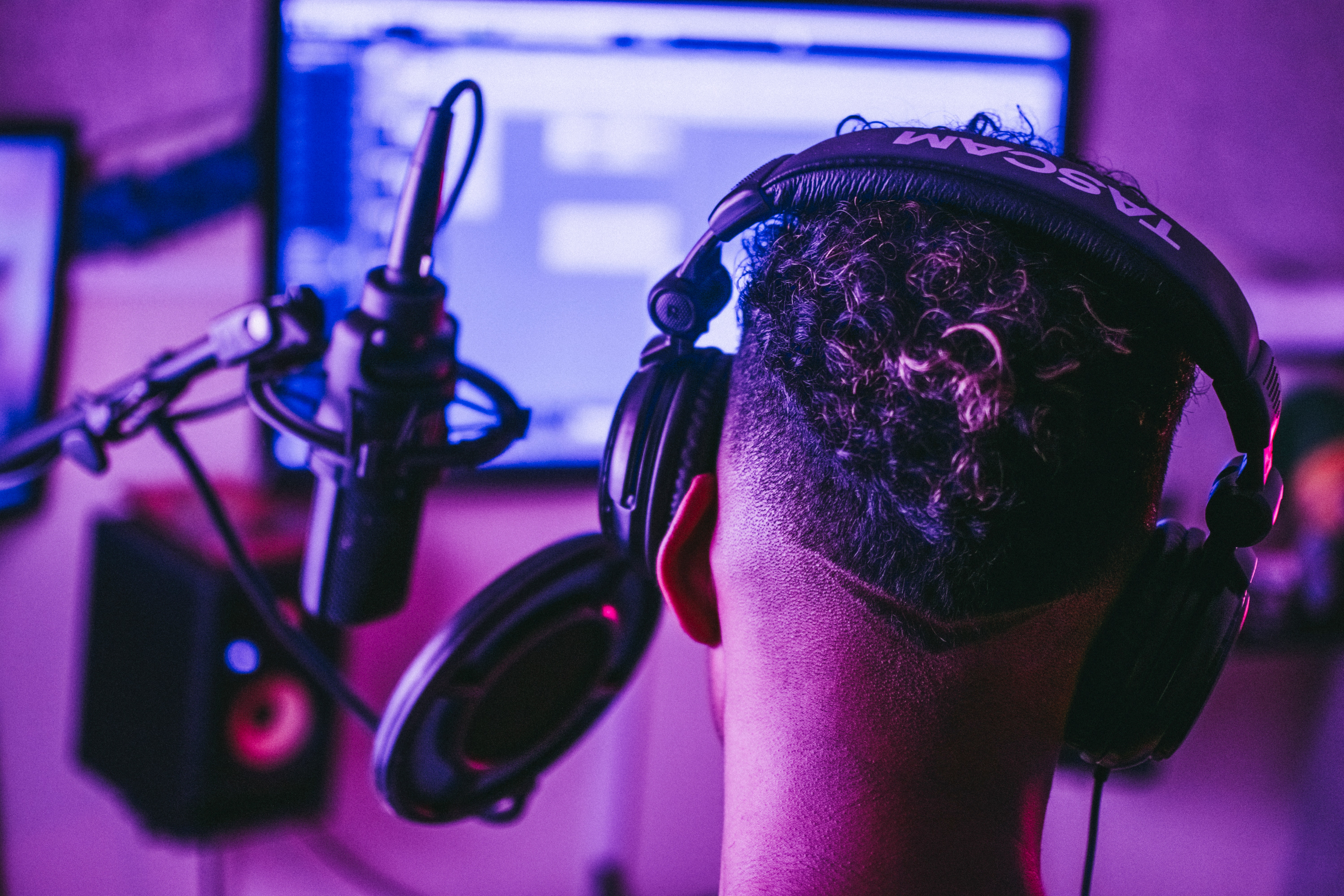
“Music is my life. It's a safe haven.” - Student at Skaneateles High School.
Source: Davis Sanchez, pexels.com

The study conducted by Patricia Shehan Campbell Ph.D (University of Washington), titled “Adolescents’ Expressed Meanings of Music in and out of School,” was based on responses by 1,155 teens who submitted student essays to Teen People magazine as part of an online contest. Throughout their essays, students expressed their thoughts regarding learning and playing music and revealed that they value music making as a central aspect of their identities.

“The findings include:

  • Playing music provides a sense of belonging for teens
  • Making music provides the freedom for teens to just be themselves; to be different; to be something they thought they could never be; to be comfortable and relaxed in school and elsewhere in their lives
  • Music helps adolescents release or control emotions and helps coping with difficult situations such as peer pressure, substance abuse, pressures of study and family, the dynamics of friendships and social life, and the pain of loss or abuse
  • Teens believe developing musical skills and performance is important since it paves the way to musical opportunities as skills develop
  • Teens long for more variety and options for making music in school, including the expansion to instruments and technology used in popular music
  • Adolescents are genuinely committed to their instruments and their school ensembles because they love to be involved in these musical and social groups
  • Teens believe that music is an integral part of American life, and that music reflects American culture and society
  • Teens feel that playing music teaches self-discipline such as “there are payoffs if you practice and stick with something”
  • Adolescents are of the opinion that playing music diminishes boundaries between people of different ethnic backgrounds, age groups and social interests
  • Teens associate playing music with music literacy, listening skills, motor ability, eye-hand coordination and heightened intellectual capabilities.”


A Good Resource for Research

The National Association of Music Merchants (NAMM) Foundation is a not-for-profit association dedicated to advancing active participation in music making across the lifespan by supporting scientific research, philanthropic giving and public service programs.


On November 7, 2022, from 10am- 12pm PST, Temescal Associates and The How Kids Learn Foundation will be sponsoring a webinar on this topic entitled, The Sound of Learning: The Importance of Music in Afterschool. Speakers will include researcher Patricia Shehan Campbell (UW), Les Peters (LBYMCA), Jon Bernson (BACR/SNBC), Kevin Peraza (Youth Institute Alumni) and Ren Daraio (Temescal Associates). To learn more and register for this informative webinar, click here.


Tuesday, September 27, 2022

Meaning and Importance of Music Participation in the Lives of Youth: What Afterschool Leaders Say


Source: NAMM Foundation

By Sam Piha

We believe that opportunities for youth to participate in a music program is important for their development, especially in light of the fact that many schools have eliminated music education to make more time for math and reading instruction. We also believe that afterschool programs are perfectly positioned to fill this gap.

We will continue to post on the importance of music featuring interviews with innovative practitioners and a summary of research. To learn more, we reached out to afterschool programs across the country to share their thoughts on this topic. We heard back from program leaders across the country, serving all ages of youth. These programs reported that they engage youth with music in a number of ways, including listening to music, learning how to play an instrument, learning DJ skills, making beats, recording music, spoken word, playing in a band, song writing, singing and drumming.

Below are some of the responses we received from afterschool practitioners to our questions.

Do you think music is important to youth? If yes, why?

  • “We currently have a music program at our site and have witnessed the beauty of music. Kids love to learn and filter their emotions through the music.” – ELP Site Lead, San Joaquin, CA, serving youth ages 5-11.
  • “Music provides so many emotional development attributes, that can lead to social, academic, personal and economic accomplishments and endeavors throughout their lives. Further, it’s something that they get that is theirs and stays with them for the rest of their lives to be used whenever and however they want, it’s god's gift forever playing.” – Afterschool Staff, Cleveland, OH, serving youth ages 12-14.
  • “It builds confidence and teaches them how to work with other people. It’s a discipline that teaches students to persevere.” – Instructional Associate, Vista Verde, CA, serving youth ages 5-11.
  • “It allows a scholar to be creative. Music reaches the inner depth of a person. A good sound can resonate on the sternum of a person and create calmness. It can also create a release of energy, etc.” – Afterschool Staff, Redwood City, CA, serving youth ages 12-14.
  • “I believe music encourages self-reflection. Through reflective moments we are able to engage and analyze our thoughts to help us make more informed decisions.” – Afterschool Staff, Euclid, OH, serving youth ages 5-11.


Please describe one example of how your program engages youth through music.

  • “We have a community partnership which places teaching musicians in our programs to teach ukulele. These instruments are affordable for us and fill a needed gap now that our elementary schools no longer have music programs.” – School District Coordinator of Expanded Learning, Vallejo, CA, serving youth ages 5-14.
  • “We have had weekly drumming classes and have opportunities for these classes to play at our fund raisers, end of the year performances, as well as performances around the city.” – Director of Staff & Student Development, West Palm Beach, FL, serving youth ages 5-18
  • “We partner with Women’s Audio Mission every semester. We have apprenticeships on how to build instruments, like a guitar, we have offered spoken word apprenticeship courses.” – Afterschool Staff, Redwood City, CA, serving youth ages 12-14.

Source: Mark Pan4ratte, unsplah.com

What benefits do you think come from youth engagement with music?

  • “There are academic and social-emotional and engagement benefits to the way we engage with music in our expanded learning programs” – School District Coordinator of Expanded Learning, Vallejo, CA, serving youth ages 5-14. 
  • “It allows children the opportunity to build self-esteem in a skill or something that they love and enjoy.” – School Age Coach, Dayton, OH, serving youth ages 5-11.
  • “Youth in the project live mostly in communities that have a lot of high-risk challenges. Many have experienced direct and indirect traumas on a regular basis. Many are faced with making decisions everyday as to whether to fight or flight, being involved in out of school activities that include music is beneficial to their physical and emotional survival.” – Afterschool Staff, Cleveland, OH, serving youth ages 12-14.
  • “Children find their personalities in music, it can be soothing and calming in times of stress.” – Afterschool Staff, Redwood City, CA, serving youth ages 12-14.

Source: www.pexels.com, photo by nappy

What benefits do you think carry into adulthood?

  • “My hope and aspiration are that these experiences not only create fond memories for them, but that for some it sparks a lifelong desire to make music.” – School District Coordinator of Expanded Learning, Vallejo, CA, serving youth ages 5-14.
  • “Music helps connect people and is a great tool for social emotional development.” – School Age Coach, Dayton, OH, serving youth ages 5-11
  • “Many attributes carry into adulthood. First, they learn that if you practice, put in the time you will become proficient at your task. Second, they learn discipline, follow direction, and stick to the order given and your results will be good. Third, they learn the importance of teamwork, brother and sister hood and build relationships that can last a lifetime. Fourth, they learn the essence of commitment, how to live up to your decision, to show up on time, follow through on time and to be there on time all of the time.” – Afterschool Staff, Cleveland, OH, serving youth ages 12-14.

What We Can Do to Support Children with ADHD Features

Source: www.pexels.com By Sam Piha ADHD can be diagnosed by a mental health professional if a child presents with a number of features liste...