Showing posts with label hiring older youth in afterschool programs. Show all posts

Monday, February 19, 2024

Addressing the Worker Shortage: Hiring Young People in Afterschool Programs

By Sam Piha

One of the major challenges facing the afterschool field is the worker shortage. One solution: expand our labor pool by hiring younger and older workers. 

One important way of addressing this worker shortage while improving program quality and its attractiveness to young people is to engage older youth and program alumni in the operation of the program. There are multiple benefits - both to the program and the young adults who are engaged as leaders or hired as staff.  

Who would know better about the benefits of hiring youth and program alumni than the young people who were granted this employment opportunity? In 2015 we interviewed youth who worked in an afterschool program. Below are some of their statements regarding their experiences. 

Lorena Retano, Program Alumni, Youth Institute

Lorena Retano, Age 18,
Youth Institute 
Program Alumni

Being a Youth Institute alumnus is probably one of the best things I’ve experienced. I’ve had the opportunity to work on multiple jobs teaching kids, younger than me, how to use movie and photograph editing software. The best example I have for what I experienced when being hired to work in an afterschool program was when I went to Richmond two summers ago to go teach iMovie, Adobe Photoshop, Adobe Illustrator, and Adobe InDesign. A team of three other people and myself spent about six hours a day teaching kids in middle school and high school how to use the different software. It was really exciting to share my knowledge with other people.

To work in an afterschool program you need to have confidence in what you are doing with your students so that you are not only successful but so that your students respect you. Supporting youth and program alumni in practicing different skills is definitely a great way to develop that confidence.

David Montoya, Program Alumni, arc 


David Montoya, Age 20,
arc Program Alumni
I was a student of the after-school program for 4 years. After I graduated, the program offered me a job. It was a great opportunity since I was pretty familiar with the program - I knew what was going on and what needed to happen. At the beginning, it was a bit weird since I went from being a student to a staff. The staff was very supportive, the students saw me as their friend. It took me a while to set myself aside from them and to build a line and to show them that I am a staff now.

Being hired allowed me to go to school, have a job, and do something that I love. I brought everything that I knew about the after-school program. As a student participant, I gained leadership skills, which I used in my community, and most importantly at my school.

I think when people think of young adults they think of people who have no experience, who don’t know what they’re doing. But I think we are capable of taking on bigger responsibilities. We just need someone that would trust us and give us a chance.


Skhy Felder, Program Alumni, Youth Institute

Skhy Felder, Age 17,
Youth Institute Program Alumni
Employing program alumni gives them the opportunity to grow and gives them the feeling of being an adult. They understand the younger youth better because they, in a way, know the struggle they go through.


From this experience, I have an advantage for future jobs. I can’t wait to be a full staff member, give back to the youth and give them my knowledge. I want to be that staff that a youth would say, "I remember when so and so helped me through this".


Jon Cabral, Program Alumni, Youth Institute 


Jon Cabral, Age 18,
Youth Institute Program Alumni
The addition of older youth and program alumni into the team of afterschool professionals greatly affects the dynamic of the experience for both youth and staff alike. Working this past summer as technical instructor after finishing my third year as a high school program alumni student, it shifted from being the student inspired by mentors to the mentor inspiring students. Having been with the YMCA and its branches since sixth grade and having grown up with the program, I’ve definitely benefitted from having a young, relatable staff person, which I saw as my older sibling. Largely of who I am today is a result of the many young mentors I have had through the YMCA.


My responsibilities range from afterschool tutor assisting in homework questions and project help, to a mentor lending advice - a hand for help, a shoulder to cry on, or whatever else an adolescent teenager navigating through middle and high school would need. 


Coming back and being able to give back to the program that helped me grow gives me the gift of now being the person I needed when I was young. This job equipped me with technical, child development, and professional skill sets and provided me with advantages leading to my being a well-rounded person and professional.

Adriana Zuniga, Program Alumni, Youth Institute


Adriana Zuniga, Age 17,
Youth Institute Program Alumni
While working as an intern for the program, I experienced many benefits. I was able to get hands-on training from the staff and also teach younger kids the basics of computer literacy and camera functions. It gave me a chance to learn technological skills and help develop my social skills. Having been involved with the program for four years, I already know how the program runs, what is expected and how to do certain things that incoming interns are not familiar with yet. Because I already have experience, I can lead my own group of people on projects or inform them on how to use a Canon camera or edit a photograph on Photoshop.


David Molina, Program Alumni, A World Fit for Kids! 

David Molina, Age 27,
WFIT Program Alumni
I am an alumnus from A World Fit for Kids! Mentors In Motion (MIM) program at Belmont High School. I was a part of the program for 3 years. The Assistant Coach position was my first job that I held and I began to do it when I was 15 years old. The position was the dip of my toe in the water that is the real world. This position provided me my first professional experience that I ever had; it was a great learning platform.


When I graduated high school, I was fortunate enough to be asked to coach soccer at Lawrence Middle School, while I attended California State University Northridge. I was able to bring my 3 years of experience into the fields right off the bat. I knew the high standard of performance I had to deliver to the kids that I coached.


The wealth of knowledge that I gained was immense from the time I was a MIM. I always felt that the MIM program is a great resource to groom future coaches because the lessons taught are specific to the afterschool program and their expectations. These types of positions are usually entry level positions and they are usually a stepping stone to students’ eventual careers.


Jacob Reyes, Program Alumni, arc


Jacob Reyes, Age 21,
arc Program Alumni
The impact we have made is amazing. Hiring older youth helps communicate more with the students because we know how it is to be a student, we understand their feelings, and we can help them in the best possible way that we can.


I think that hiring program alumni is an important practice because the communications between alumni and students are close and more responsive. Students can go up to us and talk. They don't have to fear oppression of what a teacher or an adult might give them. They feel a sense of trust in us, which is good for a student.


TO LEARN MORE

You can learn more on this topic by reviewing 2 briefing papers that we developed to help afterschool programs hire older youth. 

Engaging Youth as Workers in Afterschool Programs

Engaging Youth as Workers Within High School Afterschool Programs







Thursday, April 2, 2015

Hiring Young People in Afterschool Programs

By Sam Piha

“Nothing affects after-school program quality more than the workforce.” Michael Funk, Director, After School Division, 
California Department of Education

Sam Piha
One important way of affecting afterschool quality and its attractiveness to young people is to engage older youth and program alumni in the operation of the program. There are multiple benefits - both to the program and the young adults who are engaged as leaders or hired as staff. 

A couple of years ago, we conducted research on high school afterschool programs that engaged youth leaders and hired youth as staff. We published a comprehensive briefing paper that examined ways to compensate the youth, the legal issues involved, program examples, and what youth have to say about their experience. You can review this paper by clicking here. While most afterschool staff are between the ages of 20-29 (63%), few are under the age of 20 (just over 8%).  

Source: Examining the Future of the After-School Workforce (2012) 
www.californiawin.org 
Below we offer the perspective of a program leader who is a leading practitioner and proponent of this idea. In an upcoming blog, we will offer the views of older youth and program alumni who have been impacted by the opportunity to work within afterschool programs. 

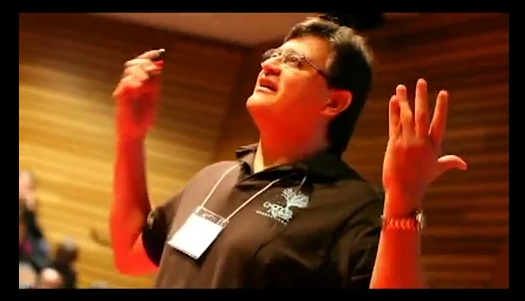
Bob Cabeza
"Over my 34 years working in the after school and youth development fields, I have personally witnessed children become confident, young leaders within our youth development programs. 

Then, finish college and become professional staff within our agency. I have seen our low income youth of color go from being disenfranchised to now entering the upper middle class and becoming a professional engineer, doctor, social worker, architect. I presently have 20 Board Members, seven of which are professionals who were once youth in our programs and now are capable adults doing extremely well financially and paying it forward by both volunteering and donating generously to our programs.

The moral to this story is that we need progressive, seamless programming for our young people to have a place to grow up in throughout their childhood and adolescence and into young adulthood. When we can support, nurture, develop skills and mentor our youth and young adults, then we create a new generation of activists and supporters of the cause of youth development. These young adults are the ones that we need to have take over the leadership of our programs and become our volunteer board members and advocates for the next generation of youth. That is the ultimate visionary goal and I have seen it come to life before my eyes over the past 22 years here in Long Beach. In my experience, that is why after school programs are so important for youth. Providing ladders of leadership for youth is the next strategic step in that continuum.

Youth Institute at YMCA of Greater Long Beach

Engaging youth in the operations of programs is important because it provides young adult mentors for our children who come from the same neighborhood, culture, ethnicity and relatable experiences as those children. It provides appropriate role models for children who model high school graduation, college attendance, etc. It provides hope and examples for our children that they can achieve further education. 

Lastly, young people in adolescence and post adolescence are seen by children as popular and cool! This dynamic enriches the lives of the children by providing a big brother/sister dynamic and enriches the lives of the young adult by them as they become mentors and leaders to younger children. It is much more of a personal and intimate relationship than the institutional teacher/student relationship. It creates a 'camp' positive group dynamic at a school site." 
- Bob Cabeza

___________________
Bob Cabeza is Vice President of Community Development at the YMCA of Greater Long Beach & Change Agent Productions. Mr. Cabeza has over thirty years experience in youth development, community development and digital media arts programming, resulting in the ability to build and lead unique programs designed to better the lives of children, youth and families.  Mr. Cabeza has a special focus on youth development and technology equity for underserved communities as it relates to developing both academic and workforce success. 

How the Meta Settlement Can Benefit Afterschool Programs

Source: www.pexels.com This blog by Dan Gilbert has been reposted from Afterschool Alliance’s Afterschool Snack Blog. Meta's new settlem...