
By Sam Piha
 Last spring, President Obama
stated emphatically that, “Emphasizing STEM education—especially to girls and
minority students–is one of the most important efforts the U.S. can make if it
hopes to produce college- and career-ready students”. Linda Kekelis, Executive
Director of Techbridge, a local STEM afterschool program for girls, is a
leading innovator of how to do this successfully. Below we offer an interview
with Linda Kekelis.
Last spring, President Obama
stated emphatically that, “Emphasizing STEM education—especially to girls and
minority students–is one of the most important efforts the U.S. can make if it
hopes to produce college- and career-ready students”. Linda Kekelis, Executive
Director of Techbridge, a local STEM afterschool program for girls, is a
leading innovator of how to do this successfully. Below we offer an interview
with Linda Kekelis.
Q: The Learning in Afterschool & Summer learning principles state that learning should be active,
collaborative, meaningful to the participants, support mastery, and expand the
horizons of those who participate. Can you comment on how important these
principles are to facilitating young people’s learning?
 |
| Linda Kekelis |
A: Techbridge believes in the importance of building a strong network of
support for girls that provides them with experiences that support mastery, are
relevant to their interests, and expand their options. Many of the girls in
Techbridge have aspirations to do well in school and find a career that is
personally and professionally rewarding. Unfortunately, without academic and
career guidance along with enrichment opportunities, many girls in our
community lose their dreams of higher education and drop out of the technology
or engineering pipeline. Techbridge creates a network of support on which peers
model appropriate behavior, positive attitudes toward learning and work, and
caring behavior toward others. The rules of behavior are established at the
start of each Techbridge program by the girls themselves through rule and
expectations they jointly develop in a respect statement. “It’s a safe place to
explore things and try to develop skills and stuff …It’s a place where if you
mess up, it’s okay,” shared a Techbridge student.
While hands-on projects can spark an interest in a young girl, we have
found that role models and field trips to worksites are instrumental in getting
girls interested in a career in a technical field. This is particularly
important for girls who are the first in their families to attend college, or
who don’t have role models who are in professional careers. Last year on evaluation surveys, 83% of Techbridge
participants cited a greater interest in a career in technology, science or
engineering because of a role model they met or a company they visited. The opportunity to see real-world
applications of technology, science, and engineering and meet with role models
is rare for most of our girls, yet as we have seen, can be a very impactful
influence in expanding their horizons.
Q: As you look forward to the
future of out-of-school learning, what is most on your mind?
A: Techbridge has seen firsthand the importance of sustained STEM programming
for girls and recognizes that our success has been due to innovative curricula
that inspire youth and that make connections to STEM careers, role models that
are well trained, and personnel that are confident and supported in delivering
STEM programming.
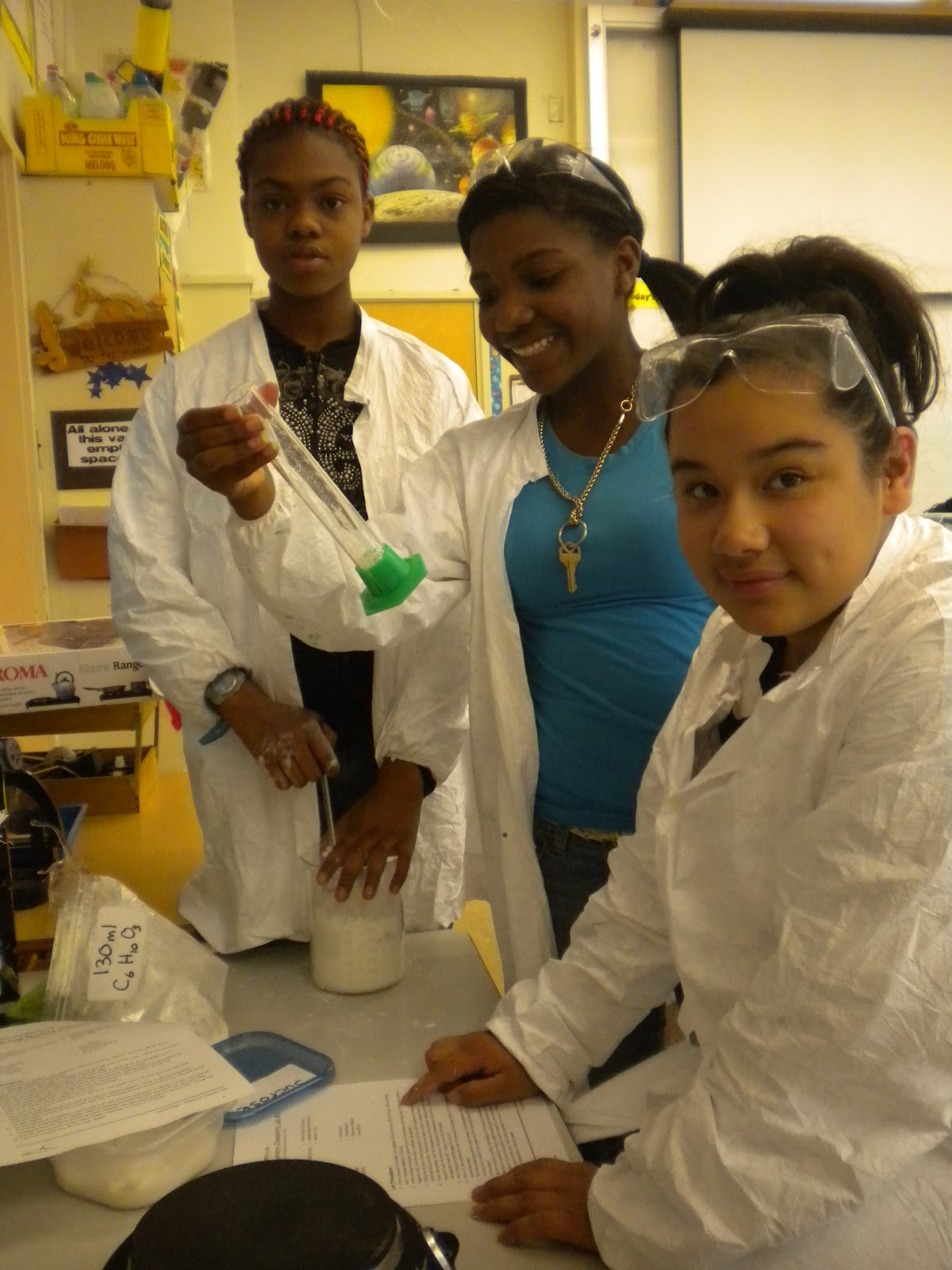
As I look to the future of OST learning, I believe it is important
that training and resources are provided to those who support after-school
programs. Since 2010, Techbridge has partnered with the Oakland After-School
Programs Office on the Frontiers for Urban Science Exploration (FUSE) project
to develop a professional learning community for introducing informal science
education to after-school programs in elementary schools in Oakland. Monthly
trainings are held to enhance teaching inquiry-based science, promote science
career exploration, and engage families. Coaching is provided to improve
science teaching. The results of
this project have been very positive and for me, highlight the importance of
providing sustained support for staff that want to bring STEM to youth in their
after-school programs but may not have the experience or expertise in these
fields. Additionally, it is important to make connections between activities
and career opportunities. Resources to support career exploration and the
inclusion of role models in after-school are needed to make them successful.
Q: What do you see as the risks
and opportunities for afterschool programs in the decade ahead?
A: I see lots of opportunities for after-school programs ahead. After-school
programs can allow students to spend more time beyond the school day interacting
with their teachers and peers. Through the curriculum and hands-on projects,
instructors have the opportunity to provide a caring, supportive environment to
nurture and engage youth’s interest in STEM. The close-knit environment of after-school programs can
enable students to develop positive, nurturing relationships with adults.
 Most of our students are multi-cultural, from many different
ethnicities and backgrounds. While most students segregate by race in their
lunchrooms and classrooms during the school day, they can be encouraged to work
together in after-school programs. Through icebreakers and team projects, after-school
programs can give youth the opportunity to work with students they don’t know,
and who might be very different from them culturally. This can help to increase
knowledge and comfort with diversity in ethnicity, culture, and social class.
Most of our students are multi-cultural, from many different
ethnicities and backgrounds. While most students segregate by race in their
lunchrooms and classrooms during the school day, they can be encouraged to work
together in after-school programs. Through icebreakers and team projects, after-school
programs can give youth the opportunity to work with students they don’t know,
and who might be very different from them culturally. This can help to increase
knowledge and comfort with diversity in ethnicity, culture, and social class.
In terms of risks, I think it is important to maintain the “fun” in
after-school and not try and make after-school programming more of the school
day experience. Kids need choice and voice in the planning and programming of their
after-school programs. It is also important to keep in mind what the goals for
after-school programming are so that evaluation measures the impact on
attitudes, confidence, self-efficacy and interests in STEM studies and careers.
______________________
Linda Kekelis is the Executive Director of Techbridge. As an advocate
of girls' engagement in science, technology, and engineering, Linda has been a
Principal Investigator on five NSF-funded projects that have supported
out-of-school programs for girls and training and resources for role models.
She has translated research into practical applications for parents, teachers,
and role models. She serves on numerous panels and advisory boards for programs
designed to increase the participation of females in technology and
engineering. Linda also has conducted research on children with special needs
and has published resources to promote the development of children who are
visual impaired. She has a Master's degree in Linguistics from the University
of Southern California and a Doctorate in Special Education from the University
of California, Berkeley.


