Showing posts with label covid recovery. Show all posts

Monday, March 4, 2024

I lost myself during the pandemic: How I found my way back to me

Source: www.pexels.com

By Nadia Pulu

Nadia Pulu writes about the impact of the COVID pandemic on her. She is a fourth-year humanities and communications major with a concentration in journalism and media studies at California State University, Monterey Bay and is a member of EdSource’s California Student Journalism Corps. This article was originally published by EdSource.


My first semester of college at California State University, Monterey Bay was one of the best times of my life.

It can be difficult acclimating to university life, but everything felt natural and exhilarating for me. I made great friends during my Educational Opportunity Program’s Summer Bridge Program and even more once the semester started. One of my professors referred me to an internship at the campus’ Cross Cultural Center, where I still work today. I was even able to maintain a balance between my social life and my academics. I was happy, thriving and on a journey of getting to know myself better.

Then came early spring of 2020. A friend had mentioned a “new virus” he read about that was spreading in China and could be serious. I probably replied with a passive “Oh, that’s interesting,” went about my day, and well, you know the rest of that story.

Almost two years later, in fall 2021, I returned to that same campus, the place I had fallen deeply in love with and, even in a short time, invested much of myself into. Yet, the person I had begun to find there two years prior was gone. As I began to navigate this new version of the home I had begun to build but could never finish, I learned I couldn’t just pick up where I left off.

Reconnecting with old friends and acquaintances was harder than I imagined, especially when a common trend among them was commenting about how different I was. Many people said things like, “You’re less extroverted,” or “I can tell you’re a homebody now” — all of which I internalized as “you’re uninteresting and socially awkward.” Whether they meant it that way or not didn’t matter; that was what I believed, and that way of thinking was debilitating to my already struggling effort to rebuild connections. I became less confident in myself to the point that I wasn’t really sure of who I was at all.

Before the pandemic, my entire identity was built upon my ability to connect with others. I clung to that part of myself with pride, so when I no longer knew how to be that person, I felt lost. And since I had become more guarded and introverted, I didn’t really talk to anyone about how I was feeling. Instead, I tried to deal with these changes alone, regularly wondering if other people also felt this way.

Because everyone experienced isolation and shutdowns, I assumed we all would be a little changed; the problem was no one talked about it. It felt as if we all came back to campus from this extremely traumatic experience and just decided to put it behind us instead of processing what we went through. According to the National Institutes of Health, “rates of anxiety, depression and substance use disorder have increased since the beginning of the pandemic.”

I believe that is because our society has not taken the steps to collectively process what we have been through. Maybe it’s because the change was so sudden that everyone sort of rolled with the punches and processed things day-to-day, or maybe it was just a touchy subject in general.

I clung to who I was before the pandemic because all my best memories were tied to that old version of myself. But I also began to own the “new me” and accepted the new parts of myself. I began to put myself into social situations so that I could practice being more extroverted again. What helped me most in navigating this internal journey was — to my surprise — a job. In summer 2022 I worked on a diversity, equity and inclusion initiative for the city manager’s office in Monterey. I felt like what I was doing mattered, and it gave me a sense of fulfillment.

After the internship was over I found myself slowly falling back into those old feelings of self-doubt and insecurity. But I now understand that the lessons I learned along the way this past year will keep me afloat.

If my experience resonates with you, remember that you don’t have to go it alone. Talking to friends and family, reaching out to counselors on campus or even forcing yourself to be out around other people can make a huge difference in easing the isolation.

And try not to get discouraged or give up on yourself. Specifically, I found you sometimes have to get comfortable with being uncomfortable in order to transform into who you’re meant to be. A shift in perspective can go a long way. Where I thought I was lost was really where I was finding myself.

My strongest resources to learn these lessons were books like “The Mountain is You,” by Brianna Wiest, podcasts such as “The Psychology of your 20s” by iHeartPodcasts, and most importantly, a strong support system made up of my friends, family and mentors. Slowly with time, patience and compassion for myself, I grew my self-confidence and found balance.

Today I know that growth comes with growing pains, and it should be embraced. Once I stopped fighting the person I was growing into, let go of what didn’t serve me, and began to be true to myself, I flourished. Now I have a home at California State University, Monterey Bay again and the best time of my life is today.


To learn more and donate virtually, click here.


Sunday, January 29, 2023

Youth Mental Health: What Can We Do in Afterschool (Part 2)


By Sam Piha 

“These [afterschool] programs are uniquely positioned to support and promote children’s healthy development, inclusive of mental health needs instigated by trauma. Children are not the only recipients; parents and the OST workforce can benefit from mental health supports provided directly or indirectly in these environments.”Child Care Technical Assistance Network

In Part 1 of Youth Mental Health: What Can We Do in Afterschool, we explored which afterschool superpowers can be applied to address the youth mental health crisis. Below we offer additional ideas on how afterschool programs can lean into their strengths to improve youth mental health and COVID recovery. (Note: learning loss indicated by lower reading and math scores should not be the focus of afterschool.)

Predictability and Rituals

“Predictability, or being able to know what to expect, is an important ingredient for healthy development. Predictable routines and consistent relationships provide a foundation of trust and security for children. When children know what to expect and who they can rely on, they have the confidence to explore the world around them and develop new skills.”Future Learn, Predictability and Development

Predictability reduces stress because children want to know what is going to happen next and what to expect. Familiar patterns are calming. This is especially true for young people who have experienced trauma. 

“Provide a consistent, predictable pattern for the day. Make sure the child knows the pattern. When the day includes new or different activities, tell the child beforehand and explain why this day’s pattern is different. Don’t underestimate how important it is for children to know that their caretakers are “in control.” It is frightening for traumatized children (who are sensitive to control) to sense that the people caring for them are, themselves, disorganized, confused and anxious. There is no expectation of perfection, however, when caretakers are overwhelmed, irritable or anxious; simply help the child understand why, and that these reactions are normal and will pass.”Dr. Bruce Perry, Importance of Predictability

When we repeat important activities on a regular basis, they become rituals that young participants can depend on. These activities include talking or check-in circles, particular ways that you always open or close the program, activities that acknowledge youth or staff that are departing the program, birthdays, etc. 

“Predictability is a stabilizing force for teens, but it’s been disrupted by the pandemic.” - Teen Mental Health: A Vulnerable Stage of Life

Promote Peer Interaction and Support
To address COVID-19 isolation, afterschool programs can help by emphasizing activities that promote peer interaction. Activities include check-in circles, group play and games and group projects.

Source: www.pexels.com

“The global pandemic, even though it affected all of us, especially caused children and teenagers to be isolated from their peers for prolonged periods of time—and especially during these developmental periods that they showed the most intense need for interactions with peers.”Sarah D. Sparks, ED Week

Educate Youth and Normalize the Issue of “Mental Health”
It is important that youth understand that “mental health” does not mean “crazy”. They should understand that the impacts of COVID and isolation are real. These conversations can happen in group meetings and individual conversations. 

Create Opportunities for Youth to Contribute to Youth Mental Health
“Youth express a collective desire – they even demand – that adults involve them in creating a more responsive education system so that they can, as one student put it, ‘find our way back to loving learning.’”Youth Truth Survey

Young people want to be involved in a way that’s meaningful.

“ASK FOR STUDENT INPUT. The fact that we don’t even get a say in what we want to discuss ... is frustrating.” — 12th grade student

Consider training students to spot peers with mental health struggles and guide them to help.

“I wish the school did more to train and educate its students on how to identify ... warning signs of deteriorating mental health, abuse, self-harm, and violence within their peers - and respond appropriately and compassionately.” —12th grade student

 “'Some students won’t get help because they’re just afraid to ask for it,' said Sofia, a senior at Davidson. 'But if a peer knows, and if their struggle is seen and heard, then they’re able to say, OK, yes, I do need the help. And we can get them to go to an adult themselves.'” - Students Train to Spot Peers with Mental Health Struggles and Guide Them

Provide Daily Exercise Activities
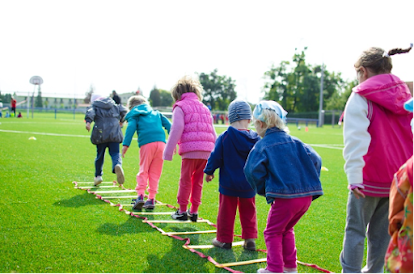
During the COVID shutdowns young people had few opportunities for exercise and playing with friends. It has been suggested that youth who suffered from COVID-19 isolation can benefit from physical exercise.  

“At a time when recess and physical education programs may feel a squeeze from schools seeking more time for reading or math, studies suggest boosting students’ physical activity time also has an important role. It may help students rebound from the social isolation many have experienced during the pandemic.”Sarah D. Sparks, Kids Are Feeling Isolated. P.E. May Help Them Bounce Back

Source: www.pexels.com

We also know from research that free play and activities that introduce young people to the natural world are also healing. To learn more, check out our LIAS Blogs on Play and Nature.

“At Lawrence Family Development Charter School, Art, Music and Physical Education (Gym) are important to helping students interact with friends while participating in activities that take them away from desks and screens. These classes teach critical thinking, decision making and use a separate set of skills to interact with others. Gym in particular has an important role to play in helping children reduce anxiety and stress.” - Susan Dion Earabino, Ed.D, Principal at Lawrence Family Development Charter School 

Know How and When to Collaborate with the School and Parents and When to Refer to a Professional
It is recommended that program leaders check with their schools or organizations to see if there are policies that lay out protocols for this. Many schools have IEP or Care Team meetings that identify strategies for particular youth who are experiencing problems. Afterschool leaders should attend these meetings as they have a unique perspective to bring. 

Afterschool staff shall also receive training on when and how to collaborate with parents, the school and/or mental health professionals.  

A Word About Confidentiality and Referrals 
As you get to know young people in the program and they develop trust with you, many may share personal information, assuming it will be kept confidential. Older youth may feel safer knowing that you can and will keep their conversations confidential. However, there are certain times when you will not be able to keep confidentiality—such as when a young person lets you know that someone is hurting them, or that they are going to hurt someone else. 

It is important that adult staff understand the legal reporting responsibilities regarding child abuse and endangerment. If your program is addressing personal, sensitive issues with young people, it is important to have a clear policy on confidentiality that you can share openly with participants. It is particularly important with adolescents that they understand you will respect their privacy, and that there are limits regarding ensuring their safety.  There will be times when a young participant’s issues are beyond the scope of your program practice. It is important that staff members receive guidance on how to handle these situations and have access to their program supervisors to discuss situations where referrals to other professionals may be in order. 


UPCOMING WEBINAR

Play comes natural to kids and to out-of-school time educators! Research across youth development and education fields have identified principles that define playful learning and the positive youth outcomes that can come from intentional play. In this webinar, we will explore this topic and learn about free resources you can use to incorporate high-quality playful learning opportunities into your programs and how to advocate for more play in the lives of children.

Our featured speaker will be Dr. Carol Tang, the Executive Director of the Children's Creativity Museum, a member of LEGO's Playful Learning Museum Network. Tang is a Board Member of the How Kids Learn Foundation and the Association of Children's Museums. She previously led the Coalition of Science After School and was a program officer at a family foundation.

To learn more and register, click here.


Monday, January 23, 2023

Youth Mental Health: What Can We Do in Afterschool? (Part 1)

Source: www.pexels.com


By Sam Piha
 
Since the return of young people to school and afterschool programs after the COVID shutdowns, there have been major concerns raised by educators and youth workers regarding youth mental health, the increase of challenging behavior and a decrease in acts of kindness shown to peers.
 
"Broadly speaking, after school is mental health, as both promote enriching opportunities for growth and healthy development, thus preventing problems and promoting possibilities for children living in urban poverty." - Linking Mental Health and After School Systems for Children in Urban Poverty: Preventing Problems, Promoting Possibilities
 
Afterschool programs are not equipped to solve the youth mental health crisis. However, afterschool programs are well positioned to promote positive mental health. To do this we should lean into our strengths. Below we offer some ideas on how afterschool programs can lean into their strengths to improve youth mental health and COVID recovery. (Note: learning loss indicated by lower reading and math scores should not be the focus of afterschool.) We recently sponsored two webinars focusing on youth mental health, and the full webinar recordings can be viewed here.
 

The Importance of Positive Relationships in Afterschool
We know in afterschool programs that relationships are key. By working to build positive relationships with youth we can ensure that everyone has “someone to talk to.” 
 
“The percentage of elementary students who report that they have an adult they can talk to at school when they are upset drops steadily from third grade (61 percent) to fourth grade (55 percent) to fifth grade (50 percent). Fewer than half of secondary students, regardless of grade level, gender, race, or LGBTQ+ status, report that they have an adult at school they can talk to when they feel upset, stressed, or have a problem.” - Youth Truth: Emotional and Mental Health
 
It would be useful to review the Youth Development Guide 2.0, which speaks to the importance of building positive relationships and other important topics.

Provide Opportunities for Youth to Express Themselves 
Quality afterschool programs place an emphasis on opportunities for youth to express themselves. These include things like:
  • Check-in Circles - This doesn’t need to take very long and can greatly benefit both young people and program staff. In small groups (20 or fewer), begin the day by sitting quietly in a circle and letting each person speak briefly. Sometimes it helps to have a special item to pass around the group like a talking stick that identifies the one who has the “rapt attention” of the group. You can learn more by reviewing our LIAS Blogs on this.
“Listening to youth is essential to effectively addressing the youth mental health crisis that is setting off alarms across America.”  - Youth Truth Survey
  • Journals - Journal writing is a good way for youth to freely express themselves. Afterschool leaders can use journal writing prompts and/or just offer free writing. You can learn more by reviewing our LIAS Blogs on this topic.
  • Art - Art is a good way that youth can express themselves without words. These can be art projects or opportunities to do free art.
“Bring healing and joy through art… Evidence shows that engaging in the arts—simply for the experience and pleasure of it—is therapeutic. Yet many schools, especially in under resourced communities, have extinguished this opportunity. Make art a regular part of every child’s school experience.” - Mental Health Crises Are Bombarding Our Schools. Here’s What We Can Do 

When asked, Angie (17-year-old) explained her painting (above) by saying, "I feel
trapped inside figurative and literal borders. These borders include: attending
and graduating college, getting a job, and not being able to visit my family
back in Mexico"

A Book Drive for Children's Books Makes for a Fabulous Service- Learning Project

Source: The Children's Book Project  By Sam Piha   In our previous paper entitled, Reading Buddies: Promoting Literacy and Community Eng...