Showing posts with label girls in STEM. Show all posts

Monday, April 7, 2025

How Toys Can Help Break Stereotypes and Support STEAM Learning


Source: Amazon

By Guest Blogger, Amanda Sullivan, Senior Program Developer, National Girls Collaborative Project. This blog originally appeared on NGCP’s Blog and can be viewed here.

“Children learn best through play and STEAM (Science, Technology, Engineering, Arts, and Mathematics) is no exception. Playful STEAM learning is characterized by hands-on exploration, problem-solving, and meaningful interdisciplinary projects. In preparation for our upcoming webinar together, I recently had the pleasure of sitting down with Anna Yudina, the Senior Director of Marketing Initiatives at the Toy Association. I chatted with Anna to get her perspective on how toys can help encourage playful STEAM learning. Read on to hear her ideas about how toys can help break stereotypes, support the sciences, and more! 

Q: Can you tell me about the Toy Association and the work you do? 

A: Spearheading the benefits of play is an important part of our mission at The Toy Association. We do that in many ways, including The Genius of Play initiative, which has reached millions since its launch in 2015. The Genius of Play started as a movement to educate parents and caregivers about the benefits of play. We have been collaborating with child development experts and sharing research and facts that support the need for playful learning and just play in general. 

Over the years, The Genius of Play has evolved into a leading resource of play ideas and activities for families. Our website www.thegeniusofplay.org houses hundreds of activities organized by a child’s age and developmental benefit. We also have a special section dedicated to educators where teachers, afterschool professionals and other adults who work with kids can discover play-based lesson plans focused on everything from math to literacy to science. 

Q: What is the role of toys in STEAM learning?  

A: Toys get kids involved and passionate about STEAM subjects and help relate complex and often abstract concepts to the world around them. Subjects like math and science become relevant to things they experience every day, such as cooking, shopping, or building.  

STEAM toys also encourage trial-and-error and through this type of play, kids learn how to fail and still have fun. These skills are fundamental to future success in STEAM subjects in school or careers where one needs to experiment all the time to discover solutions to problems. Toys teach kids to take healthy risks in a non-threatening, playful environment, then transfer that confidence and courage to their future endeavors. 

Finally, toys and play have the power to spark young imaginations and nurture innovative thinking. The Toy Association has created a handy infographic to illustrate the Top 10 Ways Toys Can Teach STEAM.  

Source: The Toy Association

Q: How does the work you do help support equity in STEAM education?  

A: Toys can help combat stereotypes and foster diversity of cultures and perspectives, and they can influence kids from a very young age. When I was a little girl, there were separate boy and girl aisles in toy stores, and there were strong perceptions around which toys were “appropriate” for each gender. I had a passion for biology from an early age, but it took years before I finally got a toy microscope while I always had an army of dolls and stuffed animals. 

It makes me very happy to see how things have been changing, with more and more toys now actively embracing and promoting diversity and inclusion. We know from research that having role models who look just like us matters so it is important for kids to know that people who work in STEAM fields come from all kinds of backgrounds, genders, and skin colors. Seeing their toys reflect this diversity can provide that little bit of extra confidence and motivation to help today’s kids imagine themselves as someday being scientists, engineers, technology experts or mathematicians.

Source: Amazon

Q: Are there any other resources or tips do you want to share?

A: Kids are naturally curious and want to explore the world around them, so tapping into that curiosity and encouraging discovery and experimentation through age-appropriate, play-based activities is really the best way. Simple experiments like Fireworks in a Jar are appropriate for kids as young as three.  

If you are looking for more ideas like this, thegeniusofplay.org is a great resource. For example, Playing with STEM at Home for Young Learners shares fun activities and experiments such as Cabbage Colors, 3D Shapes, A Boat That Floats, and more. We are also working on a brand-new “STEAM Playbook” in collaboration with NGCP, which will feature a curated collection of play activities for every letter in S-T-E-A-M. It will be available on our website.”


MORE ABOUT...

Amanda Sullivan is a Senior Program Developer at National Girls Collaborative Project where she manages the NGCP’s National Webinar Series. She is passionate about breaking gender stereotypes and providing all children with equal access and opportunities to succeed within (and beyond) STEM from an early age. 


Anna Yudina is now the Chief Marketing Officer of The Public Relations Society of America (PRSA). Yudina previously served as Senior Director of Marketing Initiatives for The Toy Association, where she led brand strategy, content, digital marketing, and communications for The Genius of Play™, an online platform for parents and educators. She also established partnerships with online influencers, key websites in the parenting space, and leading educational organizations, and launched STEAM Accreditation Program for toy companies, which generated a brand-new source of revenue, including partnering with Amazon to create a dedicated storefront for STEAM accredited toys.

The Toy Association is committed to empowering and serving the toy, play and youth entertainment community by providing advocacy, programs, events, services, and tools that help them deliver safe, fun and developmentally beneficial products to children and families around the world. Their work continually evolves and adapts to drive greater positive impact. In addition, The Association educates families and consumers worldwide on the cognitive, social, emotional, and creative benefits of play.


To learn more about supporting girls' needs, including promoting STEM and STEAM among girls, check out our briefing paper. To view and download, click here.

Monday, March 3, 2025

Ways to Support Girls in STEM


“We know that women have been historically excluded from STEM and continue to be underrepresented in most STEM fields in higher education, apprenticeship programs, and the STEM workforce. As a result, various fields are deprived of women’s diverse perspectives, and many women are disproportionately excluded from lucrative and rewarding careers... There are a variety of factors that hinder and often exclude girls' and women's participation and access to STEM education and career pathways including stereotypes about STEM professionals and careers, curriculum that is personally and culturally irrelevant to girls, gendered messages and expectations from teachers, parents/caregivers, peers, the media and popular culture, and lack of access to relatable women role models and mentors.” [1]

WHAT IS STEM AND STEAM?
The acronym STEM stands for science, technology, engineering and mathematics. According to the National Science Teachers Association (NSTA), “A common definition of STEM education […] is an interdisciplinary approach to learning where rigorous academic concepts are coupled with real-world lessons as students apply science, technology, engineering, and mathematics in contexts that make connections between school, community, work, and the global enterprise enabling the development of STEM literacy and with it the ability to compete in the new economy.” [2]

 “STEAM stands for science, technology, engineering, arts and mathematics. The difference is that arts are included, ranging from visual arts, language arts and physical arts to music and more. STEAM focuses on sparking imagination and creativity through the arts in ways that naturally align with STEM learning.” [3]  

Below is a guest blog from Amanda Sullivan, Senior Researcher at National Girls Collaborative Project (NGCP). She brings over a decade of experience in education, research, and advocacy for girls in STEM to her role as Senior Program Developer at NGCP. She is passionate about breaking gender stereotypes and providing all children with equal access and opportunities to succeed within (and beyond) STEM from an early age. You can view this original publication here.  

10 Ways to Support Girls in STEM

1. Have Fun – STEM is often seen as serious business (and sometimes it is). But STEM can also be playful, messy, silly, artsy, and above all, FUN!  

2. Support Curiosity – STEM fields are about asking questions – not having all the answers! Preschool children ask their parents about 100 questions a day and between ages 2-5 years kids ask a total of around 40,000 questions. But as kids grow up, they stop asking so many questions. 

At around age 5 (right when most kids are starting formal schooling) the questions they ask drop steeply. Their curiosity is often stifled by the need to cover academic content. In the new year, educators and caregivers can vow to find time for asking questions and fostering intellectual curiosity. Learn specific strategies for supporting intellectual curiosity here. Ready to get started fostering curiosity? Try exploring Curiosity Camp, a free interactive, multi-platform experience of video "campisodes" paired with DIY activities, curriculum, and more created by GoldieBlox, an IF/THEN Initiative® coalition member.  

3. Learn About Diverse Role Models – Exposing girls and young women to diverse STEM role models helps to dispel stereotypes about who can succeed in STEM. In the new year, make a plan to introduce girls to STEM role models from a variety of career fields. Not sure where to find a role model? Check out FabFems, an international database of women in STEM managed by the NGCP. The women in this database are passionate about serving as role models and helping spark career interest and awareness. The IF/THEN® Collection from Lyda Hill Philanthropies is another useful resource. The IF/THEN® Collection is a free digital library with photos, videos, posters, activities, and other assets featuring diverse women STEM innovators — all available for educational and other non-commercial use.

Source: National Girls Collaborative Project

4. Find Science Near You – Sometimes creating your own event or program is daunting. Luckily, there are online resources available to help you find STEAM programs and events near you! Connected Girls, for example, is a free, curated directory of girl-serving STEAM opportunities. NGCP manages Connected Girls in partnership with Science Near Me, an NSF-funded resource with the goal of helping anyone — anywhere in the U.S. — participate in engaging science, technology, engineering, and math that matters. We hope to see you at a great STEAM event near you in 2023!  

5. Think Beyond the Hour of Code – Many of us in the STEM education world try to explore coding during Computer Science Education Week in December through an Hour of Code activity at school or in informal learning settings. In 2023, make a resolution to think beyond the Hour of Code and find natural ways to integrate coding into your STEM programming throughout the year. Free resources like Scratch and Microsoft MakeCode are great for use with older children and teens (check out this NGCP blogpost for tips on using MakeCode). Meanwhile, free programming apps like ScratchJr and PBS Kids ScratchJr are perfect for younger children around ages 5-8.  

Source: Amazon
6. Read STEM-themed books – STEM-themed books are a wonderful way to begin having conversations with children about STEM. They also provide the opportunity to reflect diversity in STEM in much the same way as movies and digital media. The stories that we share should aim to be reflective of the diversity we hope to see in STEM, and as diverse as the world we live in. Try reading aloud STEM picture books with female protagonists like Rosie Revere Engineer and Ada Twist Scientist by Andrea Beaty. You can find a long list of diverse STEM picture books for elementary students here. The website A Mighty Girl, which is dedicated to curating collections of books, toys, and media for inspiring smart and confident girls, also has a great list of books related to science and technology.  

7. Explore STEM-themed toys – One way to start early with STEM learning is through exploration of STEM-themed toys. With all the STEM toys out there, it can be difficult to choose the best ones. One great resource to guide you is the Toy Association’s ‘STEAM Toy Assessment Framework’, which defines and details specific characteristics of a good STEAM (science, technology, engineering, arts, and math) toy for various age groups. You can learn more about using this framework in practice in the recording of our webinar ‘the Genius of Play and STEAM.’ Toys can also be a catalyst to break stereotypes. Find out how in the blog post ‘How Toys Can Help Break Stereotypes and Support STEAM Learning.’

8. Include the Arts – Art and design play a big role in many technical and scientific fields. The arts can also make STEM more appealing to students who do not already identify with the sciences. This is where STEAM comes in. The ‘A’ of arts in STEAM can refer to the whole spectrum of the liberal arts including music, history, dance, painting, and more. Not sure where to start with STEAM? Check out the STEAM Playbook, created in partnership between NGCP and the Toy Association’s Genius of Play initiative. This free playbook includes a collection of play ideas and ready-to-use activities to help you spark children’s interest in STEAM.  

9. Start Early Addressing Stereotypes – Stereotypes about gender and aptitude for STEM begin to develop as early as preschool. There are many ways to prevent and counter STEM stereotypes with young children, but the most important thing is just to get started! Early exposure to fun and playful science projects, sensory explorations, unplugged coding interfaces and more can be a wonderful way to pique girls’ interest in STEM from an early age. Learn specific strategies and resources for reaching young children in the recording of our webinar, ‘Addressing STEM Stereotypes with Young Children.’ You can also check out the blog post, ‘5 Ways to Counter STEM Stereotypes with Children and Youth’ for more tips.   

10. Watch a STEM Girl-Powered Movie – As the weather gets colder, many of us look forward to getting cozy and watching a movie. Try to include more media that features girls and women in STEM in your movie marathons. A study by the Geena Davis Institute on Gender in Media found that girls are more likely to pursue STEM careers when they see portrayals of women as scientists, programmers, or engineers – it’s called the ‘Scully Effect.’ 

Source: Hidden Figures
Not sure what to watch? Hidden Figures, an inspiring film based on the true story of African American women working at NASA during the early space program, is a great choice for older youth and young adults. When watching digital media with younger children, try shorter animated shows like Ada Twist Scientist, the playful story of three friends working together to make discoveries. Find a longer list of film suggestions here.   


Source: National Girls Collaborative Project

Join us on March 7, 2025 for an important discussion and presentation on ways afterschool programs can better serve the needs of girls. To learn more about this webinar topic and to register, click here.


MORE ABOUT... 

Amanda Sullivan (she/her) is a Senior Researcher for the National Girls Collaborative Project. She brings over a decade of experience in education, research, and advocacy for girls in STEM to her role as Senior Researcher at NGCP. She is passionate about breaking gender stereotypes and providing all children with equal access and opportunities to succeed within (and beyond) STEM from an early age. Amanda is the author of the book Breaking the STEM Stereotype: Reaching Girls in Early Childhood and co-author of the ScratchJr Coding Cards: Creative Coding Activities for Children 5+.  

National Girls Collaborative Project: Today’s STEM experiences lack diversity. Entire groups of youth do not identify with the field. To change this dynamic, their work empowers providers, educators, leaders, and youth, themselves. NGCP believes STEM (science, technology, engineering, and math) skills can be acquired by anyone, and fostered in everyone. Their initiatives build confidence and create a community of “lifelong STEM activators.” Through the power of collaboration, they spark curiosity and develop a passion for STEM. They also strengthen the capacity of programs by producing and sharing exemplary practices, research, and program models.


END NOTES:

[1] Kata Lucas, National STEM Day: Stand with Girls and Women

[2] National Inventors Hall of Fame, Why is STEM Hard to Define?

[3] National Inventors Hall of Fame, The STEM vs. STEAM Debate

Tuesday, March 23, 2021

Exploring Girls' Engagement in STEM Activities

By Guest Blogger Kathryn A. Wheeler, NIOST

(Originally Published by National Institute on Out-of-School Time)

Source: TechBridge Girls

There are at least three reasons why it’s important to encourage youth in STEM (science, technology, engineering, and math): (1) we need more young people pursuing STEM careers to meet the workforce demand; (2) whether or not someone chooses a career in STEM, they need to be science literate in today’s society so they can make informed decisions about issues like health care, food, the environment, and technology; and (3) STEM activities are fun and engaging!

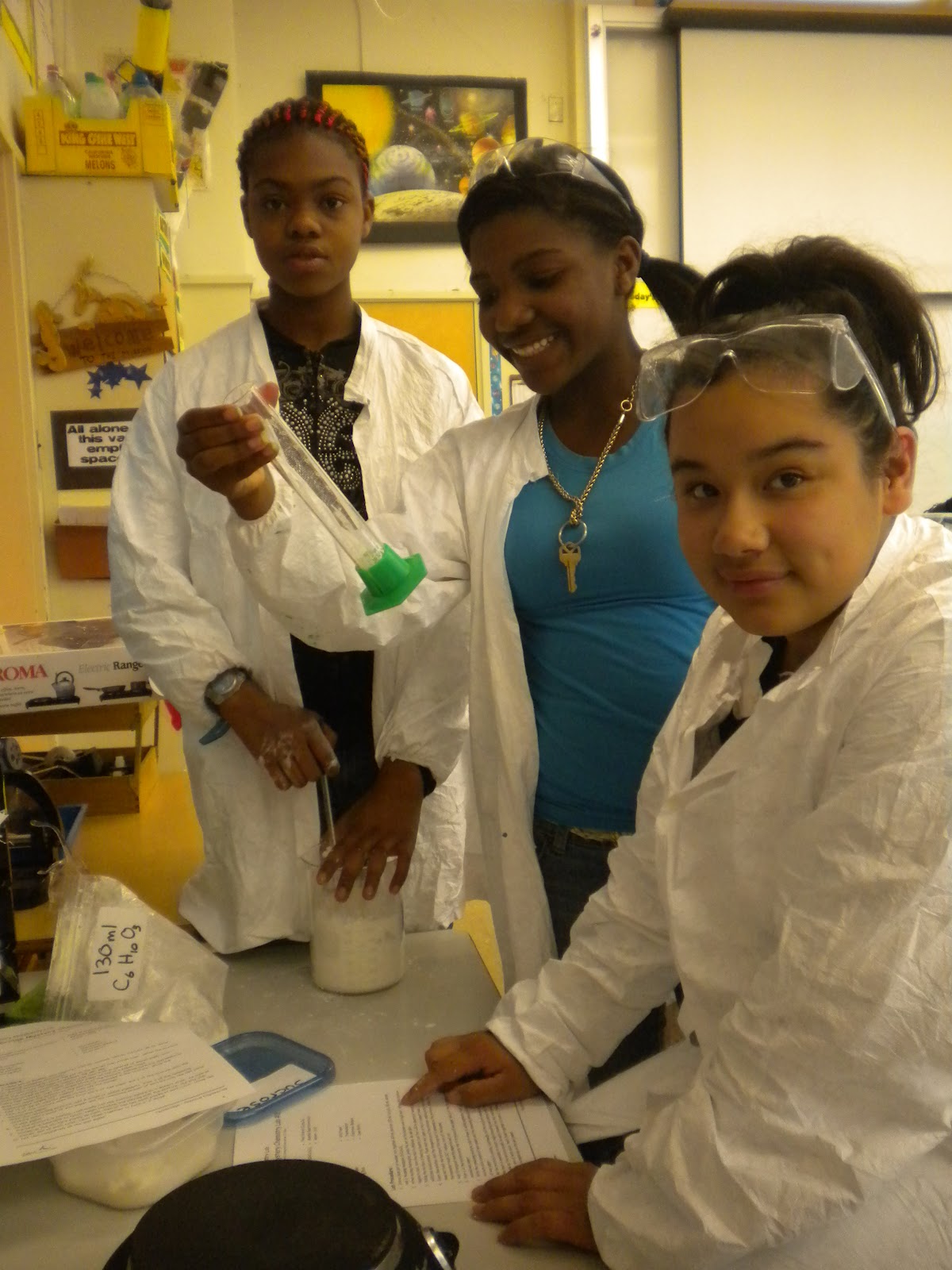
But some groups, such as girls, youth of color, and youth from rural areas often find themselves marginalized and underrepresented in STEM learning opportunities and career pathways. GEMS (Girls Excelling in Math and Science) is a program designed to counteract these trends.

GEMS was founded by a former teacher when her daughter shied away from advanced math classes because they were “hard.” GEMS is now an international network of hands-on, activity-based, out-of-school time clubs focused on increasing girls’ curiosity, interest, and persistence in STEM. It is designed especially, but not exclusively, for rural girls.

Source: Girls Inc.
The National Institute on Out-of-School Time (NIOST) recently completed a research study of two GEMS clubs in the Venango County area of Pennsylvania. GEMS hosts 16 clubs in Venango County through afterschool, library, and summer programs, and serves more than 250 girls in grades 2-12. The study included program observation and analysis. There were three research questions related to STEM engagement that guided club observations:

  • What types of science behaviors did girls engage in most frequently?
  • How actively involved were girls in the STEM activities?
  • What was the affect of girls while doing the STEM activities?

This research was grounded in the Science Learning Activation Framework which posits that youth who have positive early STEM experiences will be more likely to show growth in STEM interest and curiosity, valuing of science as useful, confidence in their ability to do STEM, and desire for more STEM experiences (Dorph, Schunn & Crowley, 2017). 

What We Learned

NIOST director and senior research scientist Georgia Hall, Ph.D., research associate Kathryn A. Wheeler, Ed.D., and student intern Jenn Yu, ‘22, presented their findings virtually to GEMS educators and program providers in December 2020. Researchers found that:

  • GEMS girls were actively involved in STEM projects in a hands-on way.
  • In club activities, girls engaged in a wide range of science behaviors such as exploring, experimenting, observing, discussing, using tools, and asking questions.
  • Girls enjoyed the process of creating, innovating, and solving challenges. They were frequently amazed and joyful about what they were discovering.
  • At no time were girls observed to be feeling frustrated, upset, or distressed when they encountered a challenge.
  • Girls were activated by the challenges they confronted and eager to try to solve them and to connect with each other for help when needed.
  • Girls were persistent in their activities and faced challenges by working together. 

Source: www.apresgroup.com

Implications for Effective Practices

These findings help us to think about strategies for keeping STEM learning strong for rural girls and others during their early experiences in informal STEM learning. Some recommendations: 

  1. Keep girls absorbed in STEM activities by ensuring that the activities are hands-on and truly challenging. If they are too easy, engagement and learnings may decrease.
  2. Engage girls directly in the scientific process of identifying a problem, researching it, hypothesizing, experimenting, collecting data, analyzing data, drawing conclusions, and then trying again. Explicitly name this process as “science.”
  3. Aim to get girls thinking beyond just following set procedures to produce a product or outcome. Try to design activities that encourage creativity so girls can explore, invent, and gain a deeper understanding of science concepts.
  4. Encourage girls to work together. If girls have questions, for example, instruct them to talk to each other to share resources and ideas before asking adults to help. This process will help foster confidence, collaboration, innovation, and persistence.
  5. Pay attention not only to what girls are doing and thinking, but how they are feeling. If girls aren’t showing that they are having fun doing a STEM activity, then it’s time to try a new approach or activity.
  6. Help girls make connections between what they are doing and what professional scientists do in their jobs, so girls start to view themselves as scientists-in-training.
  7. Give girls resources on how they can maintain their interest in STEM after the program has ended, including suggestions for online activities and out-of-school time programs, as well as in-school classes.
  8. Be a STEM role model for girls—one who is visibly intrigued by STEM questions and the scientific process of testing, problem solving, and being persistent. And most important, have fun with STEM yourself while you are working with youth!

ADDITIONAL RESOURCES


Kathryn A. Wheeler, Ed.D. (Katie) is a Research Associate at the National Institute on Out-of-School Time (NIOST). Her area of expertise is in assessing the quality of out-of-school-time programs, and she has a special interest in programs designed to empower girls.


As schools prepare to re-open, afterschool program staff need to consider the experiences of youth who have been away from school and their friends due to the COVID-19 pandemic. We know these vary greatly depending on family income and racial/ ethnic background. What are young people's needs? What should we, as afterschool staff, do to help youth thrive when they return to afterschool programs post COVID? How might we build back school and program culture and a sense of "family" spirit and connection in our afterschool programs? Join Stu Semigran and a panel of afterschool program experts to learn how best to help youth thrive as they return to school and afterschool. To get more information and to register for our next Speaker's Forum, click here.

Wednesday, June 27, 2012

All Things Girls and STEM: An Interview With Linda Kekelis of Techbridge, Part 2


By Sam Piha

Last spring, President Obama stated emphatically that, “Emphasizing STEM education—especially to girls and minority students–is one of the most important efforts the U.S. can make if it hopes to produce college- and career-ready students”. Linda Kekelis, Executive Director of Techbridge, a local STEM afterschool program for girls, is a leading innovator of how to do this successfully. Below we offer an interview with Linda Kekelis.

Q: The Learning in Afterschool & Summer learning principles state that learning should be active, collaborative, meaningful to the participants, support mastery, and expand the horizons of those who participate. Can you comment on how important these principles are to facilitating young people’s learning?

Linda Kekelis
A: Techbridge believes in the importance of building a strong network of support for girls that provides them with experiences that support mastery, are relevant to their interests, and expand their options. Many of the girls in Techbridge have aspirations to do well in school and find a career that is personally and professionally rewarding. Unfortunately, without academic and career guidance along with enrichment opportunities, many girls in our community lose their dreams of higher education and drop out of the technology or engineering pipeline. Techbridge creates a network of support on which peers model appropriate behavior, positive attitudes toward learning and work, and caring behavior toward others. The rules of behavior are established at the start of each Techbridge program by the girls themselves through rule and expectations they jointly develop in a respect statement. “It’s a safe place to explore things and try to develop skills and stuff …It’s a place where if you mess up, it’s okay,” shared a Techbridge student.

While hands-on projects can spark an interest in a young girl, we have found that role models and field trips to worksites are instrumental in getting girls interested in a career in a technical field. This is particularly important for girls who are the first in their families to attend college, or who don’t have role models who are in professional careers. Last year on evaluation surveys, 83% of Techbridge participants cited a greater interest in a career in technology, science or engineering because of a role model they met or a company they visited.  The opportunity to see real-world applications of technology, science, and engineering and meet with role models is rare for most of our girls, yet as we have seen, can be a very impactful influence in expanding their horizons.

Q: As you look forward to the future of out-of-school learning, what is most on your mind?

A: Techbridge has seen firsthand the importance of sustained STEM programming for girls and recognizes that our success has been due to innovative curricula that inspire youth and that make connections to STEM careers, role models that are well trained, and personnel that are confident and supported in delivering STEM programming.

As I look to the future of OST learning, I believe it is important that training and resources are provided to those who support after-school programs. Since 2010, Techbridge has partnered with the Oakland After-School Programs Office on the Frontiers for Urban Science Exploration (FUSE) project to develop a professional learning community for introducing informal science education to after-school programs in elementary schools in Oakland. Monthly trainings are held to enhance teaching inquiry-based science, promote science career exploration, and engage families. Coaching is provided to improve science teaching.  The results of this project have been very positive and for me, highlight the importance of providing sustained support for staff that want to bring STEM to youth in their after-school programs but may not have the experience or expertise in these fields. Additionally, it is important to make connections between activities and career opportunities. Resources to support career exploration and the inclusion of role models in after-school are needed to make them successful.

Q: What do you see as the risks and opportunities for afterschool programs in the decade ahead?

A: I see lots of opportunities for after-school programs ahead. After-school programs can allow students to spend more time beyond the school day interacting with their teachers and peers. Through the curriculum and hands-on projects, instructors have the opportunity to provide a caring, supportive environment to nurture and engage youth’s interest in STEM.  The close-knit environment of after-school programs can enable students to develop positive, nurturing relationships with adults.

Most of our students are multi-cultural, from many different ethnicities and backgrounds. While most students segregate by race in their lunchrooms and classrooms during the school day, they can be encouraged to work together in after-school programs. Through icebreakers and team projects, after-school programs can give youth the opportunity to work with students they don’t know, and who might be very different from them culturally. This can help to increase knowledge and comfort with diversity in ethnicity, culture, and social class.

In terms of risks, I think it is important to maintain the “fun” in after-school and not try and make after-school programming more of the school day experience. Kids need choice and voice in the planning and programming of their after-school programs. It is also important to keep in mind what the goals for after-school programming are so that evaluation measures the impact on attitudes, confidence, self-efficacy and interests in STEM studies and careers.

______________________
Linda Kekelis is the Executive Director of Techbridge. As an advocate of girls' engagement in science, technology, and engineering, Linda has been a Principal Investigator on five NSF-funded projects that have supported out-of-school programs for girls and training and resources for role models. She has translated research into practical applications for parents, teachers, and role models. She serves on numerous panels and advisory boards for programs designed to increase the participation of females in technology and engineering. Linda also has conducted research on children with special needs and has published resources to promote the development of children who are visual impaired. She has a Master's degree in Linguistics from the University of Southern California and a Doctorate in Special Education from the University of California, Berkeley.


Wednesday, June 20, 2012

All Things Girls and STEM, Part 1


By Sam Piha

Last spring, President Obama stated emphatically that, “Emphasizing STEM education—especially to girls and minority students–is one of the most important efforts the U.S. can make if it hopes to produce college- and career-ready students”. Linda Kekelis, Executive Director of Techbridge, a local STEM afterschool program for girls, is a leading innovator of how to do this successfully. Below we offer an interview with Linda Kekelis.

Q: Techbridge is a program that has attracted national attention. Could you say a word describing the program and highlighting why it has attracted so much attention?

Linda Kekelis
A: Techbridge empowers girls to realize their dreams through science, technology, and engineering. Techbridge offers after-school and summer programs with hands-on projects, career exploration opportunities, and academic and career guidance to expand girls’ interests and options. Since 2000, Techbridge has served over 3,000 girls in grades 5-12 primarily in socio-economically disadvantaged areas in Oakland and surrounding communities.  Curricula are developed with input from girls and findings from the research community, and include projects like Electrical Engineering, in which girls build solar night lights and learn about circuits; Chemical Engineering, in which girls work with polymers to create bouncy balls and learn about the engineering design process; and Clean Tech, in which girls build solar cells and learn about renewable energy. Techbridge also introduces computer science projects.

We don’t want our girls to be just consumers or users of technology, but programmers too. For girls who have limited access to computers at home and school and even more limited exposure to programming, the projects expand their understanding of the promise of technology.  By working on hands-on projects such as building robots and designing computer games, girls have a specific goal to work towards, increasing their motivation to persevere and complete a successful project. We promote the “growth mindset” and teach girls that the brain is like a muscle that gets stronger and works better the more it is exercised. We have heard from teachers and parents alike that the strong engagement and motivation that girls demonstrate in Techbridge carry over into their school work and classrooms. For example, we often hear of a girl who started off in Techbridge unsure of her abilities is transformed by her experience in Techbridge. By the end of the year, she is more confident, speaking up in classes and working through problems instead of giving up.

Q: Do you expose program participants to experiences beyond the walls of your program?

A: While hands-on projects can spark an interest in a young girl, we have found that role models and field trips to worksites are instrumental in getting girls interested in a career in a technical field.  The opportunity to see real-world applications of technology, science, and engineering and meet with role models is rare for most of our girls, yet as we have seen, can be a very impactful influence. Techbridge partners with leading technology, science, and engineering firms around the San Francisco Bay Area to bring girls to corporate worksites, where they can see firsthand what engineers and scientists do, and interact with role models who share inspiring stories and provide academic and career guidance. 

Q: There is a growing interest in exposing youth, especially girls, to STEM activities and careers. Do you help other organizations take on this challenge?

A: Through the delivery, evaluation and refinement of its program over the past 12 years, Techbridge has gained a wealth of experience and has become a leader in role model training, working with organizations nationwide. Techbridge’s training and resources are designed to help volunteers effectively engage and relate to youth so that the experience is mutually rewarding.  In addition, Techbridge provides training for girl-serving organizations who wish to recruit, train and retain role models for their programs.  These resources are available free of charge on the Techbridge website, for organizations or individuals seeking help in these areas.
Techbridge also has a partnership with Girl Scout councils nationwide to provide programs-in-a-box and trainings for Girl Scout staff, leaders and volunteers. This partnership has scaled up to 15 councils nationwide, with an estimated reach of over 15,000 girls by 2013. Girls Go Techbridge is providing training and engineering activities and supporting the capacity of councils to work with partners like the Society of Women Engineers to introduce many more girls to engineering.

Q: There are those who claim that real learning takes place within the school day and the learning in youth programs outside of school lacks rigor. How do you know whether or not you are being successful?

A: We take evaluation seriously and invest time and resources into measuring the impact of all that we do. The evaluation goals of Techbridge are to 1) increase students’ technical and scientific skills; 2) increase confidence levels; 3) enhance academic and career guidance to expand career options; 4) promote greater interest in careers in technology, science, and engineering; and 5) develop a strong and effective network of support for girls by offering training and resources to teachers, role models, families, and partners.  Techbridge utilizes both quantitative and qualitative evaluation methods to track progress toward achieving our goals. These include pre- and post-surveys, focus groups with girls, teachers, and families, and program observations and coaching. Our outside evaluator collects and analyzes data for the programs. 

Evaluation results demonstrate the success of Techbridge. Last year, 95% of participating students knew more about how things work (like simple machines), 89% felt more confident trying new things, 95% believed that engineering is a good career for women, 96% knew more about different kinds of jobs, and 89% planned to study harder so they can go to college. We also conducted a three-year longitudinal study that showed evidence of long-term impact on girls: 82% reported a greater interest in a career in technology, science and engineering, 86% had more confidence in themselves, and 87% have more career options than they otherwise would have as a result of having participated in Techbridge.

Q: Can you tell us about the recognition that Techbridge has received because of its innovation and success?

A: Techbridge has been nationally recognized for its work.  In 2011, Techbridge received the Inclusion Champion Award from Mitsubishi Electric America Foundation for supporting students in STEM who are visually impaired.  Techbridge’s Executive Director spoke at a White House Convening for the Educate to Innovate initiative on the importance of role models for promoting girls in STEM fields.  In addition, Techbridge was featured by Bayer Corporation in a national forum showcasing best practice K-12 STEM education programs.

______________________
Linda Kekelis is the Executive Director of Techbridge. As an advocate of girls' engagement in science, technology, and engineering, Linda has been a Principal Investigator on five NSF-funded projects that have supported out-of-school programs for girls and training and resources for role models. She has translated research into practical applications for parents, teachers, and role models. She serves on numerous panels and advisory boards for programs designed to increase the participation of females in technology and engineering. Linda also has conducted research on children with special needs and has published resources to promote the development of children who are visual impaired. She has a Master's degree in Linguistics from the University of Southern California and a Doctorate in Special Education from the University of California, Berkeley.

Monday, January 9, 2012

Adding Arts to STEM: Making STEAM

By Sam Piha


Thinking about how to promote STEM (Science, Technology, Engineering, and Mathematics) in afterschool is a topic that has everybody talking; this includes activities during the school year and in the summer. A recent article in Education Week focused on efforts to gauge girls in STEM activities, and featured Techbridge, a Bay Area program.

The Afterschool Alliance recently published a paper offering an analysis of the impact and outcomes of attending a high-quality afterschool program that emphasizes STEM activities. They found that “attending high-quality STEM afterschool programs yields STEM-specific benefits that can be organized under three broad categories: improved attitudes toward STEM fields and careers; increased STEM knowledge and skills; and higher likelihood of graduation and pursuing a STEM career.”

Now many STEM advocates are making the case that adding the disciplines of art and design to STEM activities (STEAM) greatly enhances the learning experience. A recent EdWeek article explored the idea of merging the arts with STEM to further unlock students’ creativity and innovation.

The National Science Foundation has underwritten a number of conferences on this subject, including hosting a forum at Rhode Island School of Design titled, “Bridging STEM to STEAM: Developing New Frameworks for Art-Science-Design Pedagogy.”

What do you think? Should the arts be integrated into afterschool STEM activities?

How the Meta Settlement Can Benefit Afterschool Programs

Source: www.pexels.com This blog by Dan Gilbert has been reposted from Afterschool Alliance’s Afterschool Snack Blog. Meta's new settlem...